Magnetic Aquarium Cleaner Safety Check
Answer 3 quick questions to see if your setup is safe
⚠️ Safety Check Complete!
Based on your setup, standard magnetic cleaners might risk scratching your viewing panels or getting stuck.
Our Recommendation: Use a specialized floating magnetic cleaner with tailored strengths to keep your glass pristine and hands dry.
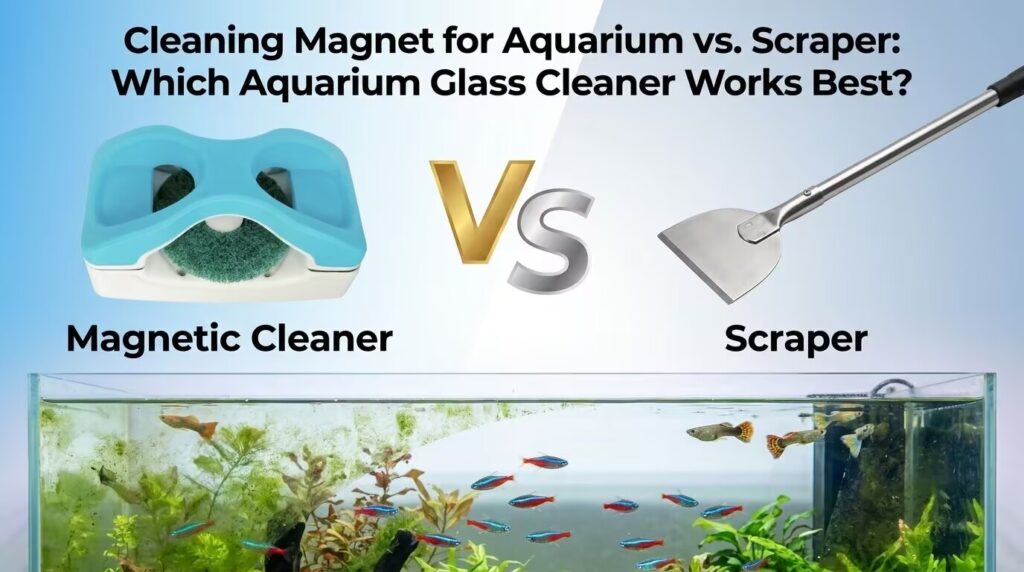
Find Your Perfect MatchIf you’re shopping for a magnetic cleaner for aquarium maintenance, you’ve probably seen the videos. A quick swipe along the outside of the glass, and algae seems to disappear instantly—without getting your hands wet.
It looks effortless, but one question always comes up before buying:
Are magnetic cleaners actually safe for every aquarium?
The short answer is yes—but only if you’re using the right aquarium safe cleaner for your specific tank.
A magnetic cleaner that’s perfect for a glass freshwater aquarium could permanently damage an acrylic tank. Likewise, choosing the wrong magnetic strength or accidentally trapping sand beneath the cleaning pad can leave scratches that are impossible to remove.
Before you buy or use any magnetic cleaner, consider four important factors:
- Your aquarium material (glass or acrylic)
- Glass thickness
- Substrate type
- Freshwater or saltwater setup
Understanding these differences can save you from expensive repairs while making routine cleaning aquarium equipment much easier.
Glass Aquariums: The Safest Choice for a Magnetic Cleaner for Aquarium
For most hobbyists, a standard glass aquarium is the easiest and safest environment for using a magnetic cleaner for aquarium maintenance.
Glass is naturally much harder than acrylic, so the soft felt pads or nylon cleaning surfaces found on quality magnetic cleaners won’t normally scratch the panel during everyday use.
However, that doesn’t mean scratches never happen.
In fact, the cleaner itself usually isn’t the problem.
Sand is.
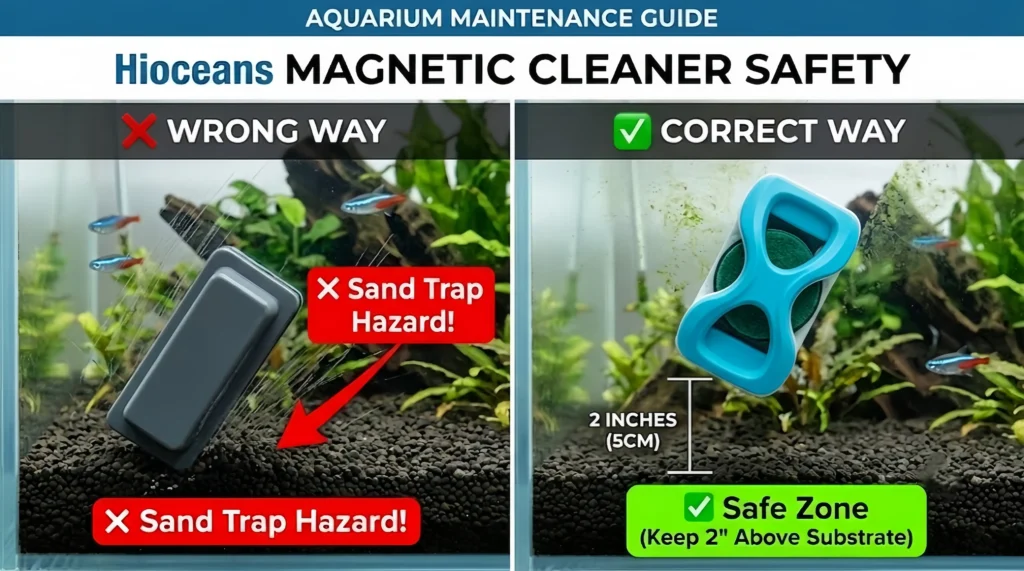
When the inside cleaning pad gets too close to the substrate, tiny grains of sand or gravel can become trapped between the pad and the glass. As you continue cleaning, those particles act like sandpaper, creating fine scratches across the viewing panel.
Many aquarists discover these scratches only after cleaning, and unfortunately, they can’t be polished out of glass.
Avoid the Most Common Mistake
A simple habit dramatically reduces the risk:
- Keep the cleaner at least 2 inches (5 cm) above the substrate.
- If the inner pad drops into the sand, remove it and rinse it before continuing.
- Always inspect the cleaning surface for trapped debris.
These small precautions make a huge difference.
Choose the Correct Magnetic Strength
Another common mistake is buying the biggest cleaner available.
A stronger magnet isn’t always better.
If a cleaner designed for ½-inch glass is used on a nano aquarium with ¼-inch panels, the magnetic force becomes excessive. The cleaner becomes difficult to move smoothly, increasing the chance of sudden jumps that can knock over decorations, damage plants, or disturb corals.
For aquariums under approximately 10 gallons, a compact magnetic cleaner usually offers much better control.
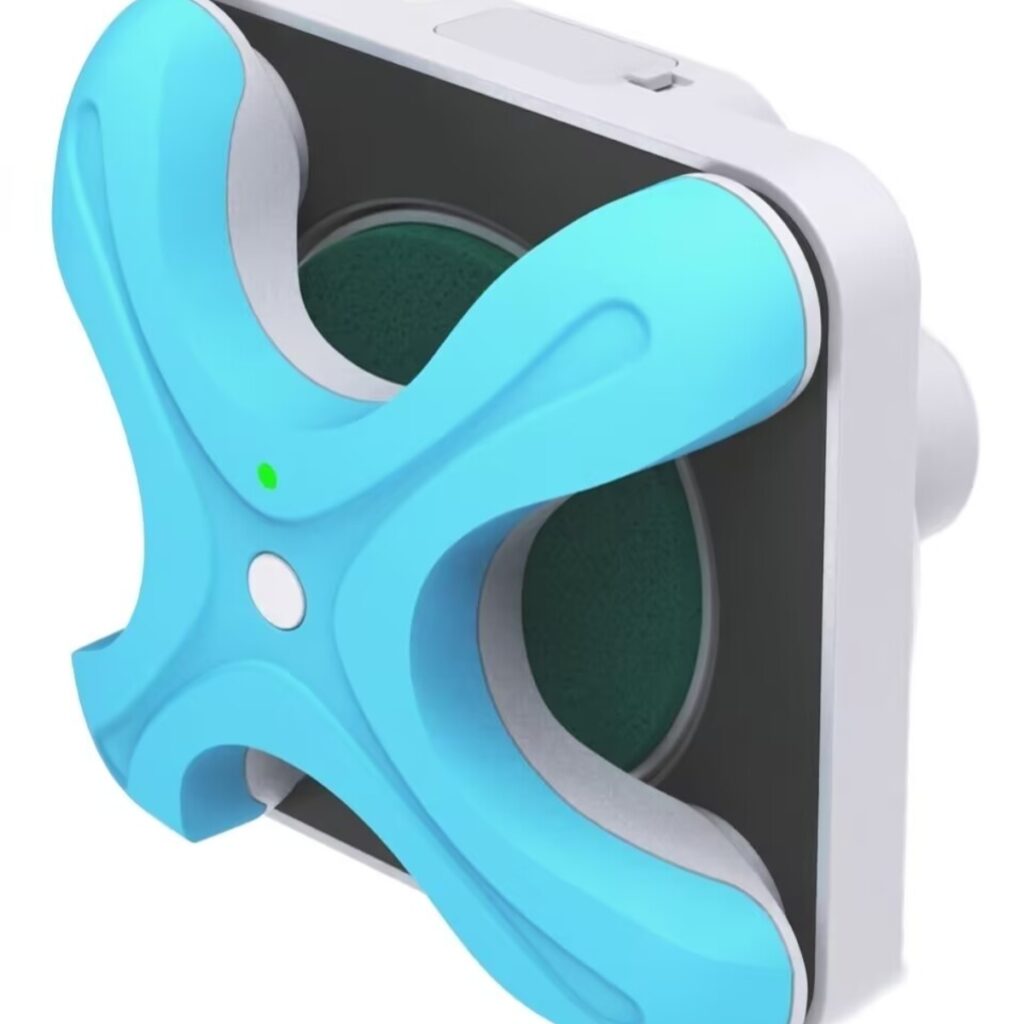
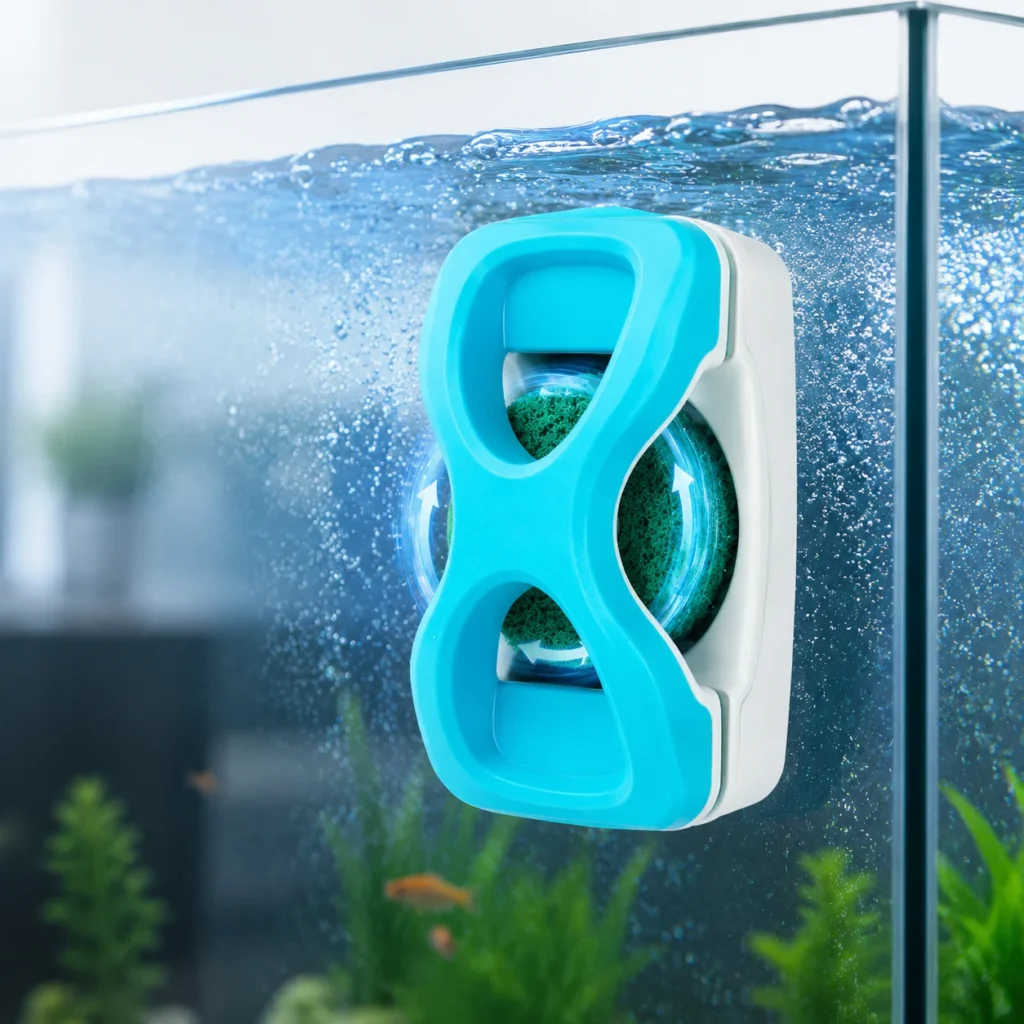
This is exactly where Hioceans saves the day. To keep your glass pristine without the extra effort, choosing the right size for your specific tank setup is key. If you’re running a smaller setup with glass thickness under 8mm, the Hioceans S Size Fish Tank Glass Cleaner is your perfect match. For deeper, heavy-duty setups with glass over 8mm, go with the Hioceans L Size Aquarium Glass Cleaner to ensure maximum magnetic strength without compromising your aquarium’s safety.
Acrylic Aquariums Need a Specialized Aquarium Safe Cleaner
If you own an acrylic aquarium, choosing the right aquarium safe cleaner becomes much more important.
Unlike glass, acrylic is significantly softer and scratches much more easily.
That’s why many magnetic cleaners designed for glass should never be used on acrylic panels.
A common mistake is assuming a product labeled “universal” is safe for every aquarium.
Unfortunately, that’s not always true.
One hobbyist shared his experience after using a standard magnetic cleaner on a 55-gallon acrylic display tank. After removing a few patches of algae, faint streaks appeared across the viewing panel. Within days, the front of the aquarium developed a cloudy appearance caused by hundreds of tiny surface scratches.
Repairing acrylic is possible—but it’s time-consuming and expensive.
Light scratches may be polished with acrylic-safe compounds, while deeper damage often requires wet sanding through multiple grits before polishing. Professional restoration can easily cost hundreds of dollars.
What to Look For
When shopping for a magnetic cleaner, look for products that clearly state:
- Suitable for acrylic aquariums
- Soft felt cleaning pads
- Plastic scraper blades (never stainless steel)
- Replaceable cleaning pads
If the packaging says “Glass Only,” don’t use it on acrylic.
Saltwater Tank Cleaner Tips for Reef Aquariums
Most magnetic cleaners work equally well in freshwater and marine aquariums.
However, choosing the right saltwater tank cleaner involves more than simply removing algae.
Saltwater environments are far more demanding on equipment.
Inside every magnetic cleaner is a powerful magnet sealed inside a plastic housing. If that protective shell cracks, saltwater can seep inside and rapidly corrode the magnet.
Over time, corrosion may release metal contaminants into the aquarium—something reef keepers work hard to avoid.
Floating Designs Are Worth It
A floating magnetic cleaner offers another important safety advantage.
If the outer magnet separates during cleaning, the inside cleaning pad floats to the water’s surface instead of sinking into the sand bed.
This prevents you from digging through the substrate to retrieve it, reducing the chance of stirring trapped waste or accidentally damaging delicate corals.
After every saltwater cleaning session:
- Rinse the cleaner with fresh water.
- Allow it to dry completely.
- Inspect the housing for cracks or damage.
These simple habits help extend the life of your saltwater tank cleaner while protecting your reef system.
Which Magnetic Cleaner Is Right for Your Aquarium?
Choosing the right cleaner doesn’t have to be complicated.
| Aquarium Type | Recommended Cleaner | Avoid |
|---|---|---|
| Glass aquarium | Standard magnetic cleaner matched to glass thickness | Allowing sand to become trapped under the pad |
| Acrylic aquarium | Acrylic-safe magnetic cleaner with soft felt pads | Metal blades or glass-only cleaners |
| Saltwater reef aquarium | Floating magnetic cleaner with sealed housing | Cracked or damaged magnetic housings |
| Nano aquarium | Compact magnetic cleaner with lighter magnetic force | Oversized heavy-duty models |
Before You Start Cleaning
Before every cleaning session, take one minute to run through this checklist.
- Match the cleaner to your aquarium’s glass thickness.
- Check the cleaning pad for trapped sand or gravel.
- Keep the cleaner away from the substrate whenever possible.
- Inspect the housing for cracks before placing it in the water.
- Rinse and dry the cleaner after every saltwater use.
Following these steps helps protect both your aquarium and your cleaning aquarium equipment, while extending the life of your magnetic cleaner.
Final Thoughts
A quality magnetic cleaner for aquarium maintenance is one of the most useful tools an aquarist can own—but it isn’t a one-size-fits-all solution.
Finding the right aquarium safe cleaner comes down to matching your tank’s material, glass thickness, and environment. Whether you need a standard freshwater setup or a heavy-duty saltwater tank cleaner for a sensitive reef system, the right model makes all the difference. By taking a few simple precautions, you can easily prevent glass scratches, protect your livestock, and make your routine cleaning aquarium equipment faster and completely hassle-free.
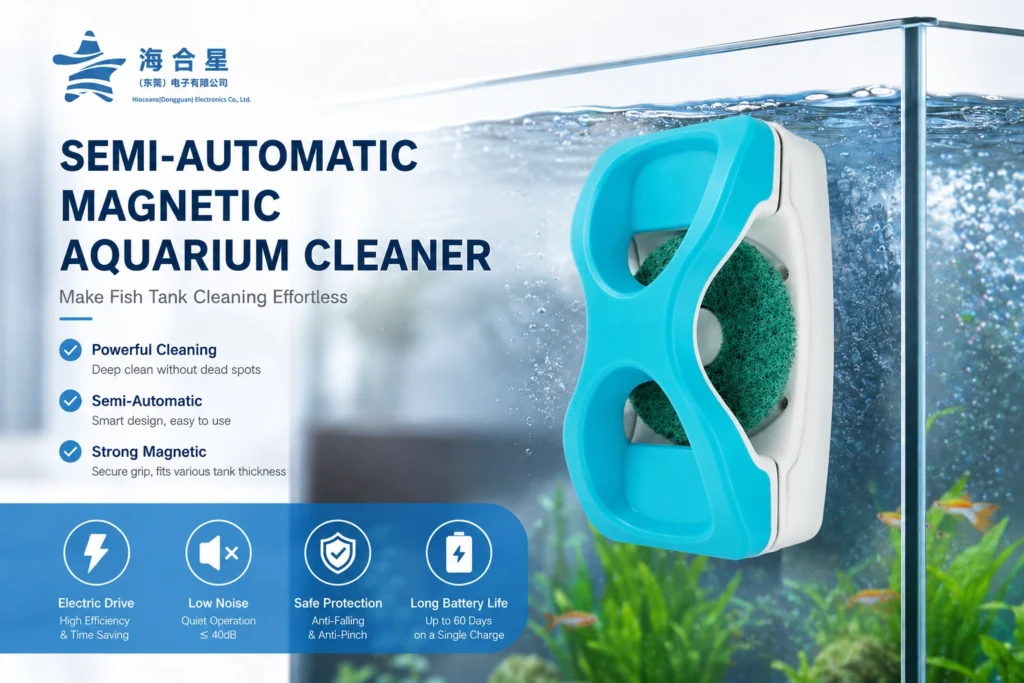
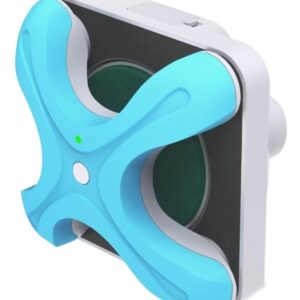
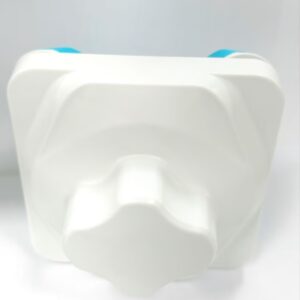
If you want a dependable tool for your weekly maintenance, the Hioceans Magnetic Fish Tank Cleaner checks all the boxes. Instead of standard clunky magnets, it offers tailored magnetic strengths perfectly matched to your tank’s thickness. Best of all, the inner scrubber floats right to the top if it ever disconnects, so you won’t have to fish it out of the sand. Combined with its ultra-soft pads, it gives you a scratch-free clean and cuts your maintenance time in half without risking your aquarium’s safety.
The Next Generation of Aquarium Care: Why Hioceans is a Game-Changer
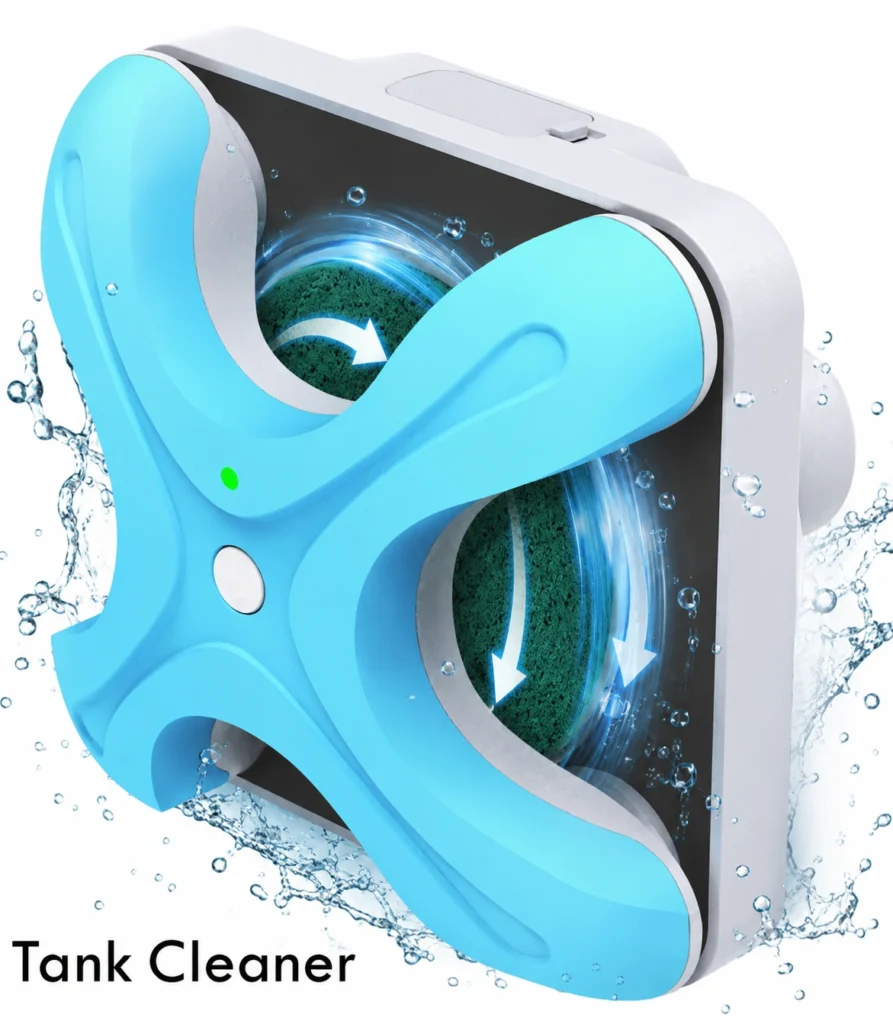
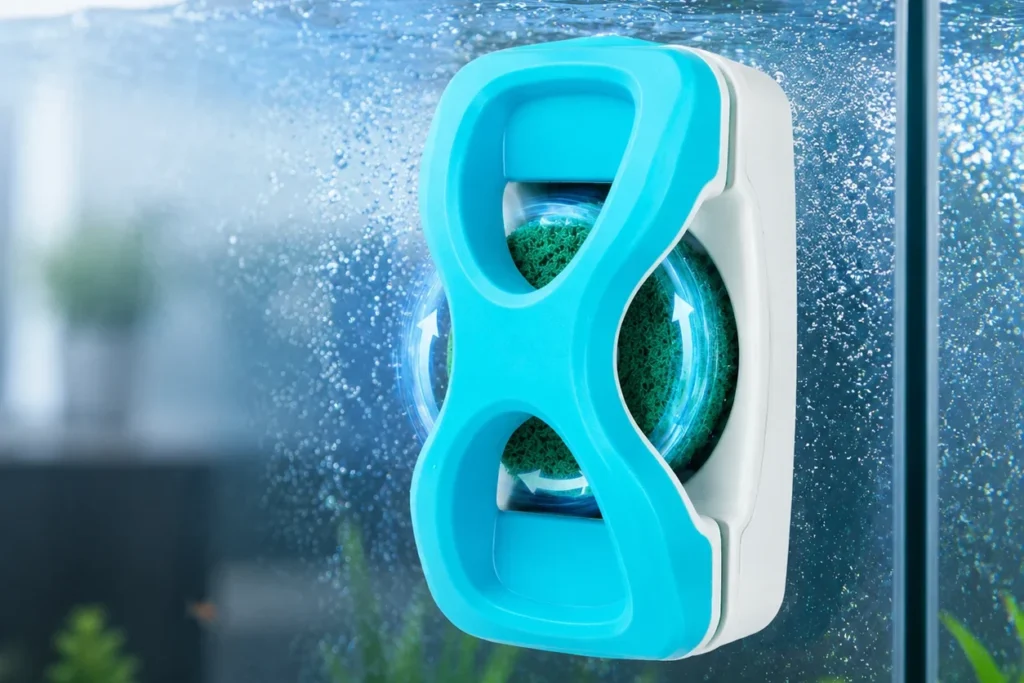
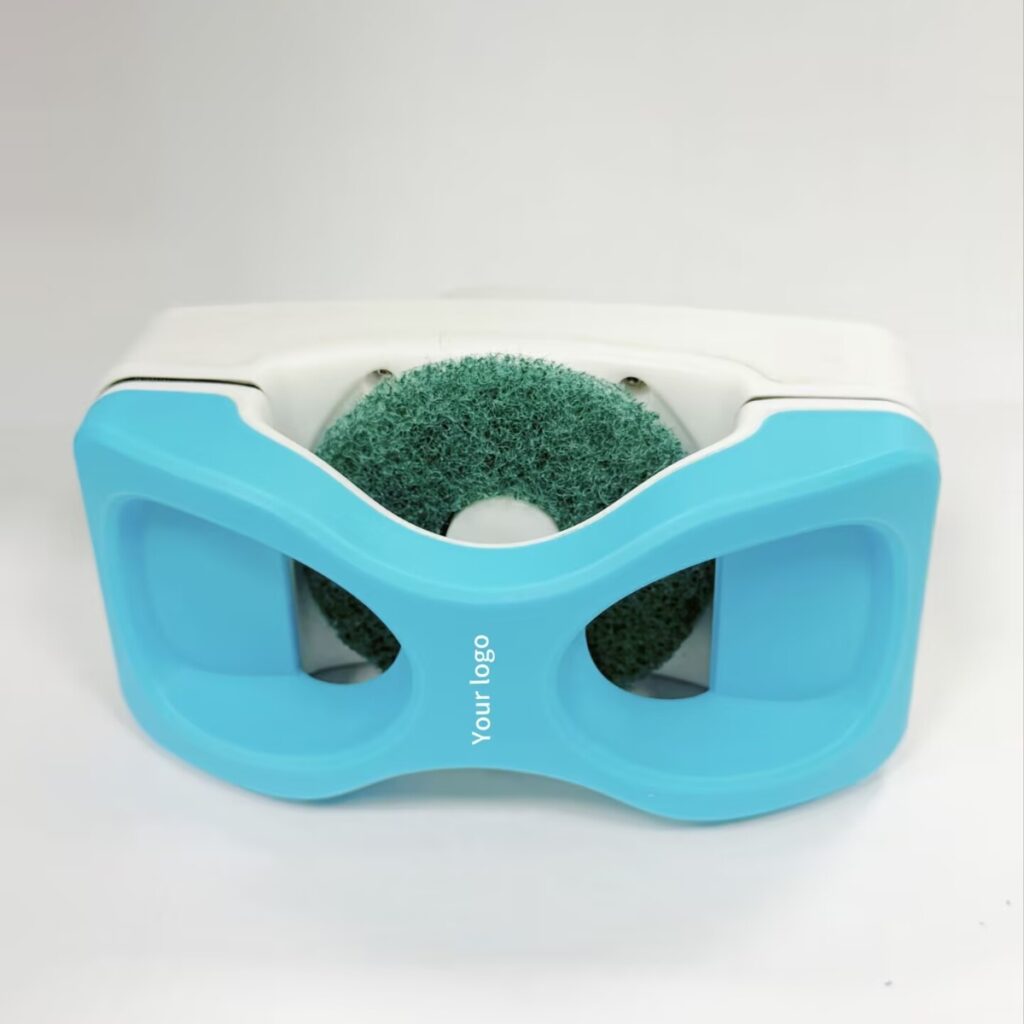
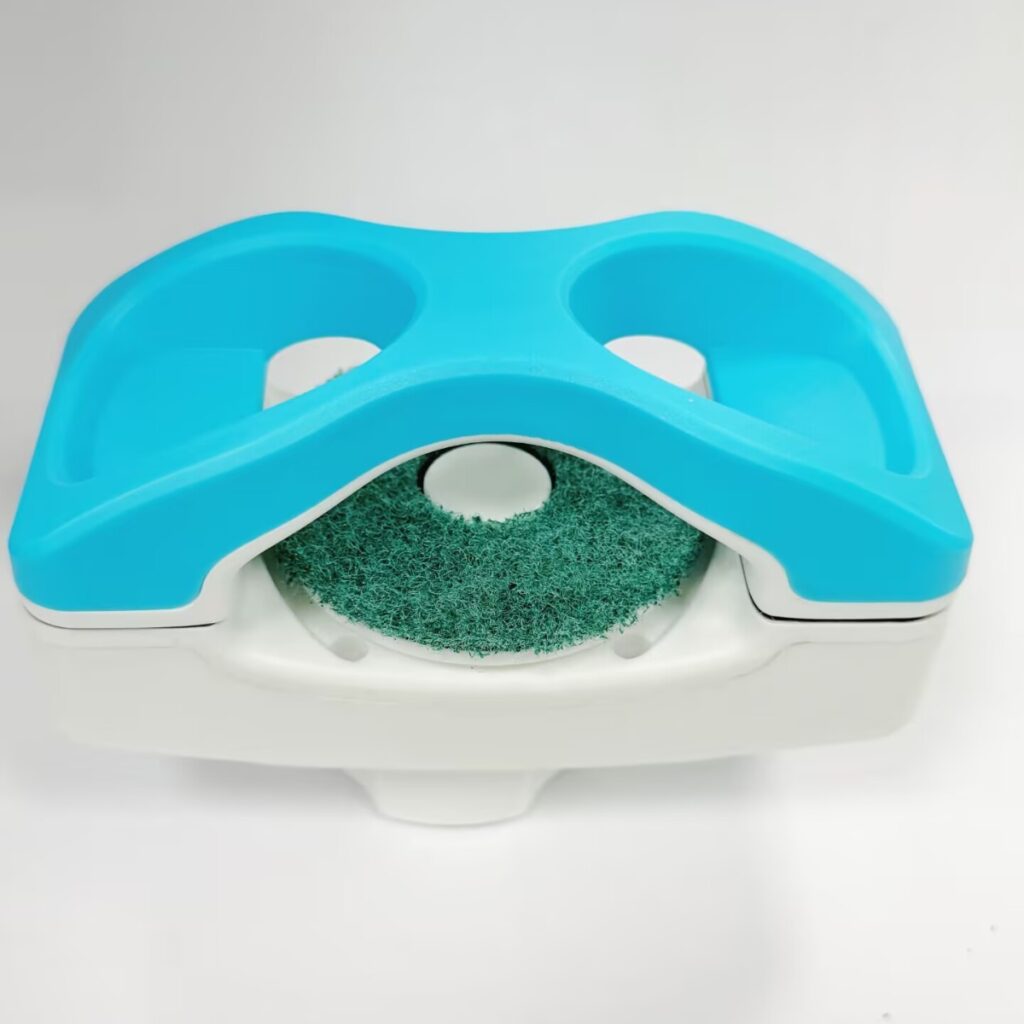
If you’re tired of standard clunky magnets that either slip off or leave bypass streaks, Hioceans has completely re-engineered the hobby. We didn’t just stop at matching the perfect magnetic strength to your glass—we took it a step further.
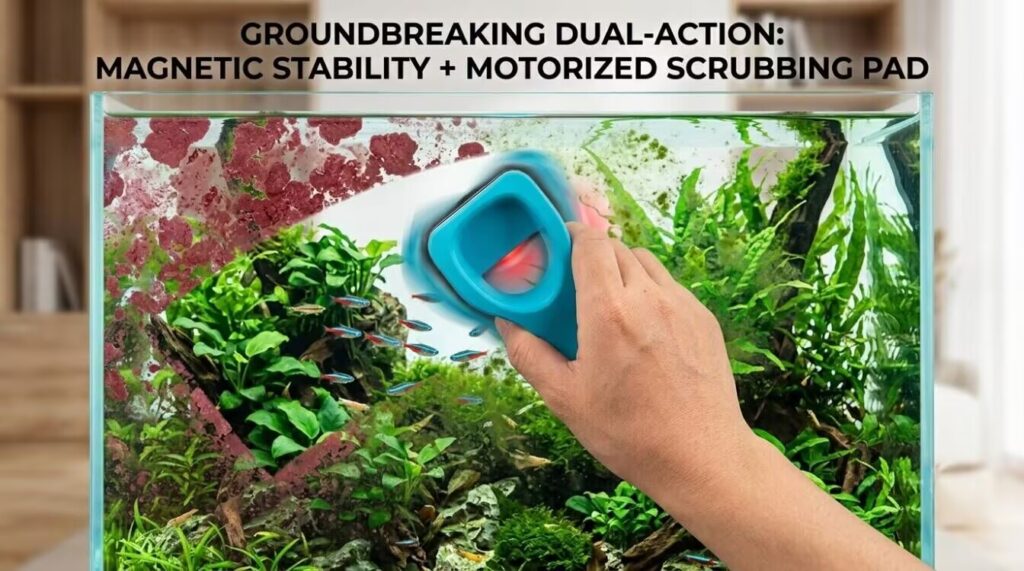
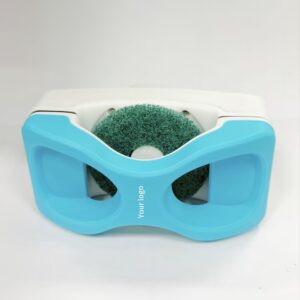
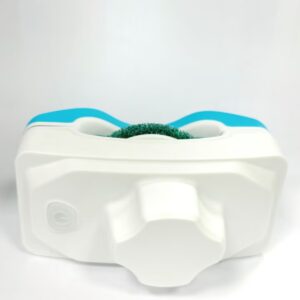
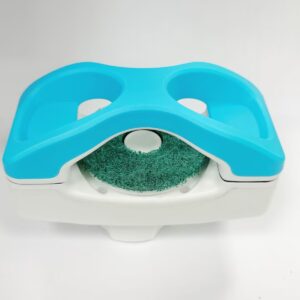
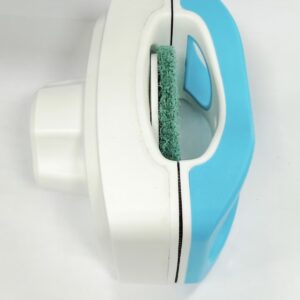
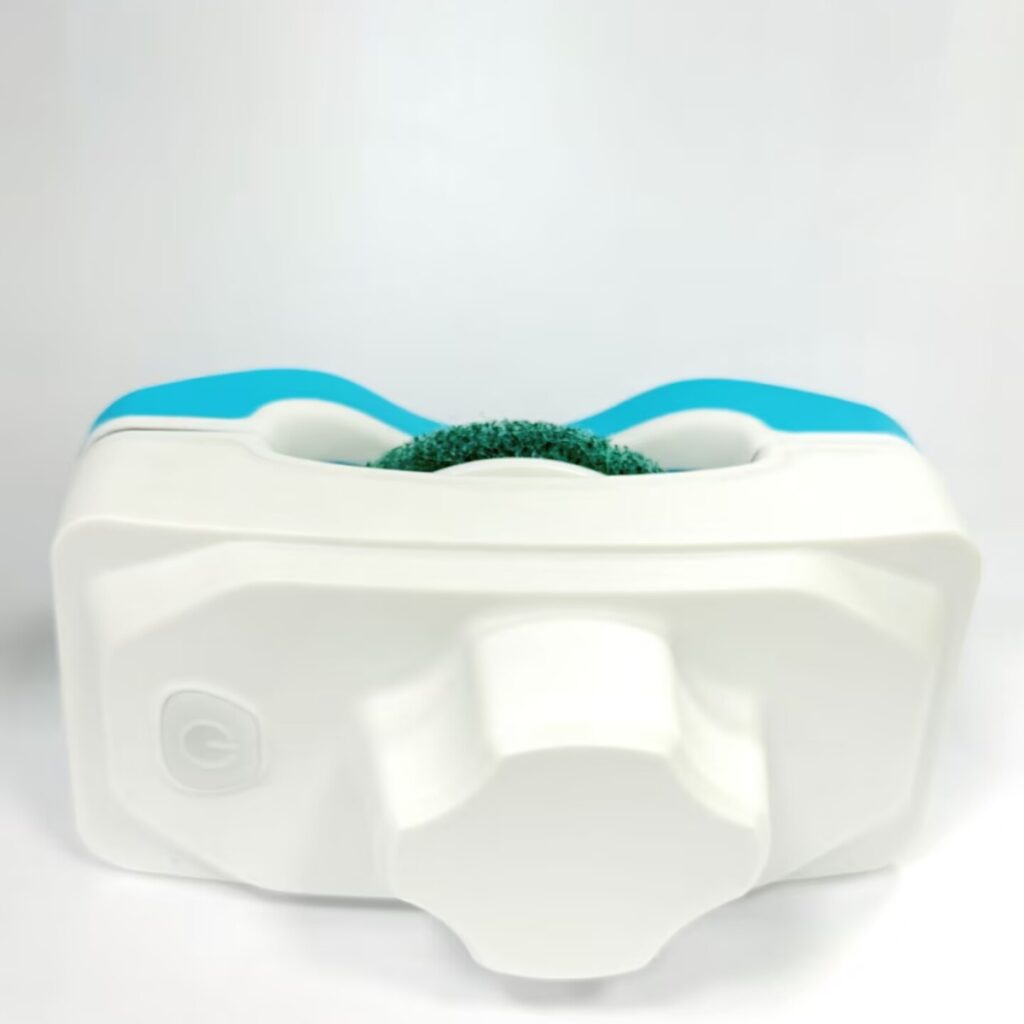
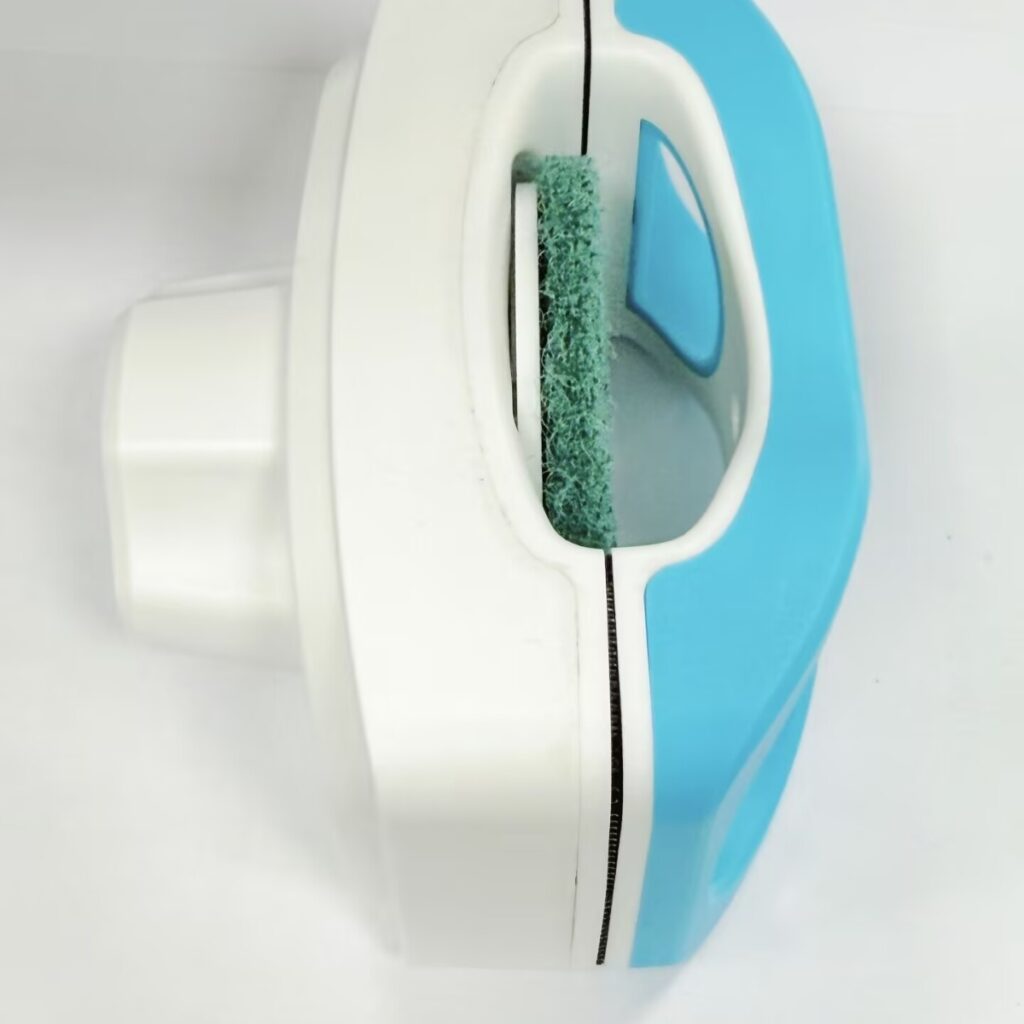
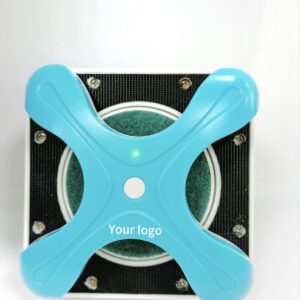
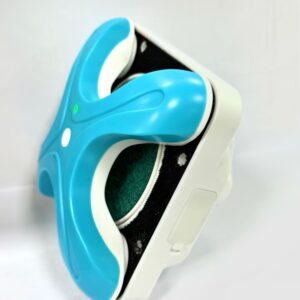
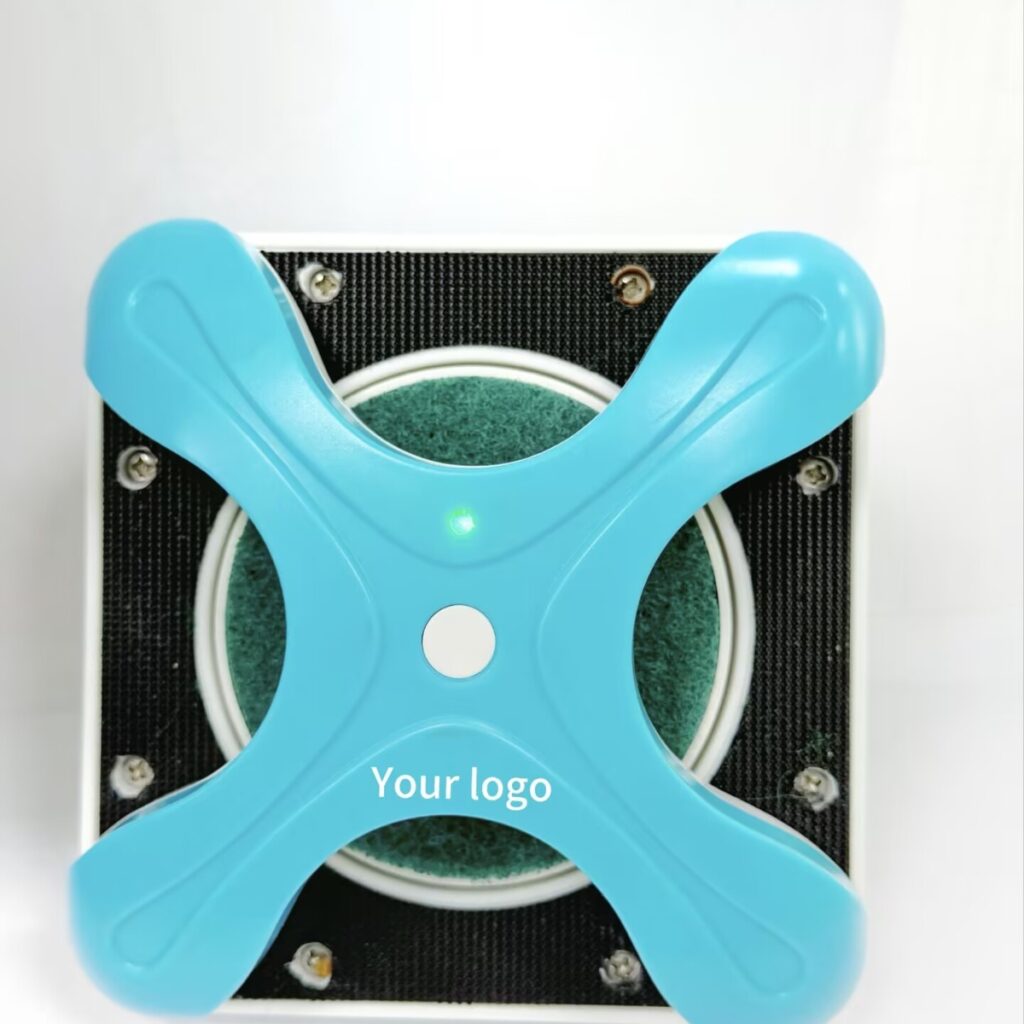
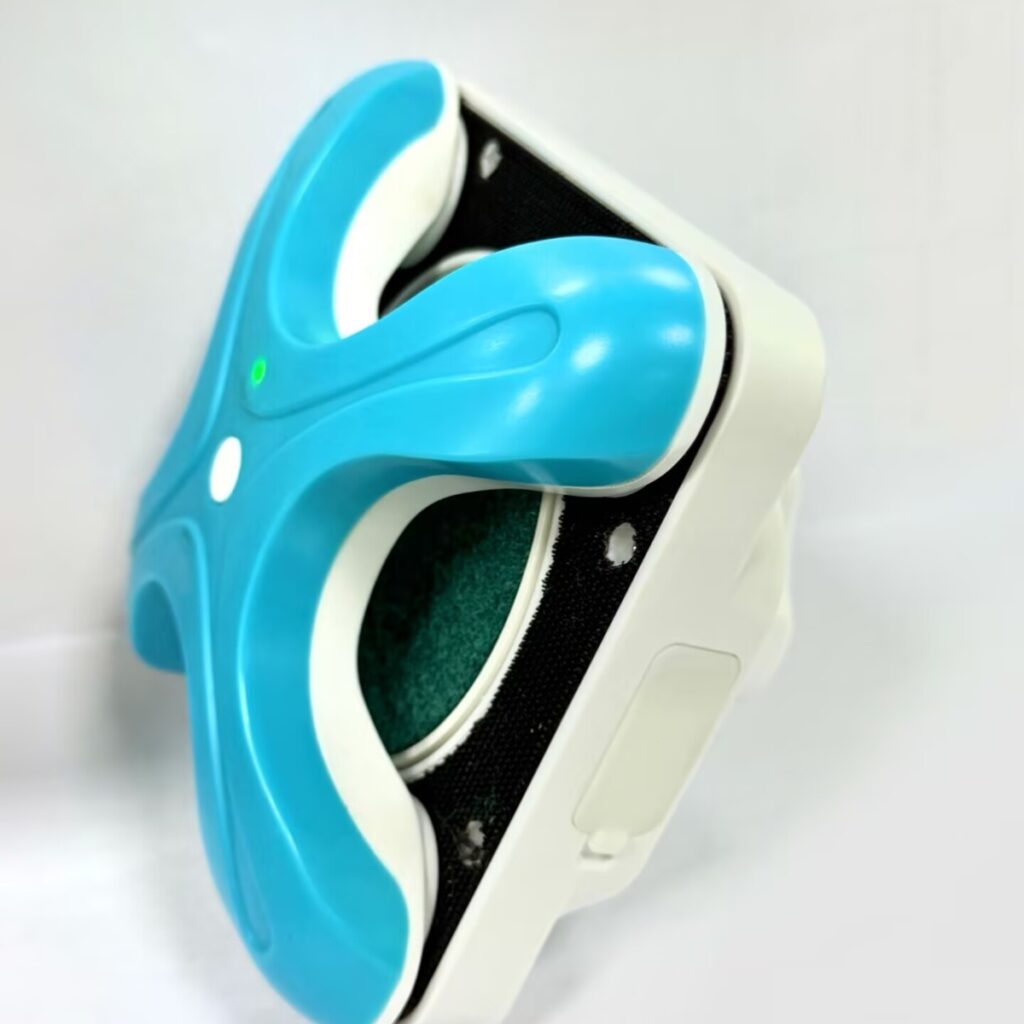
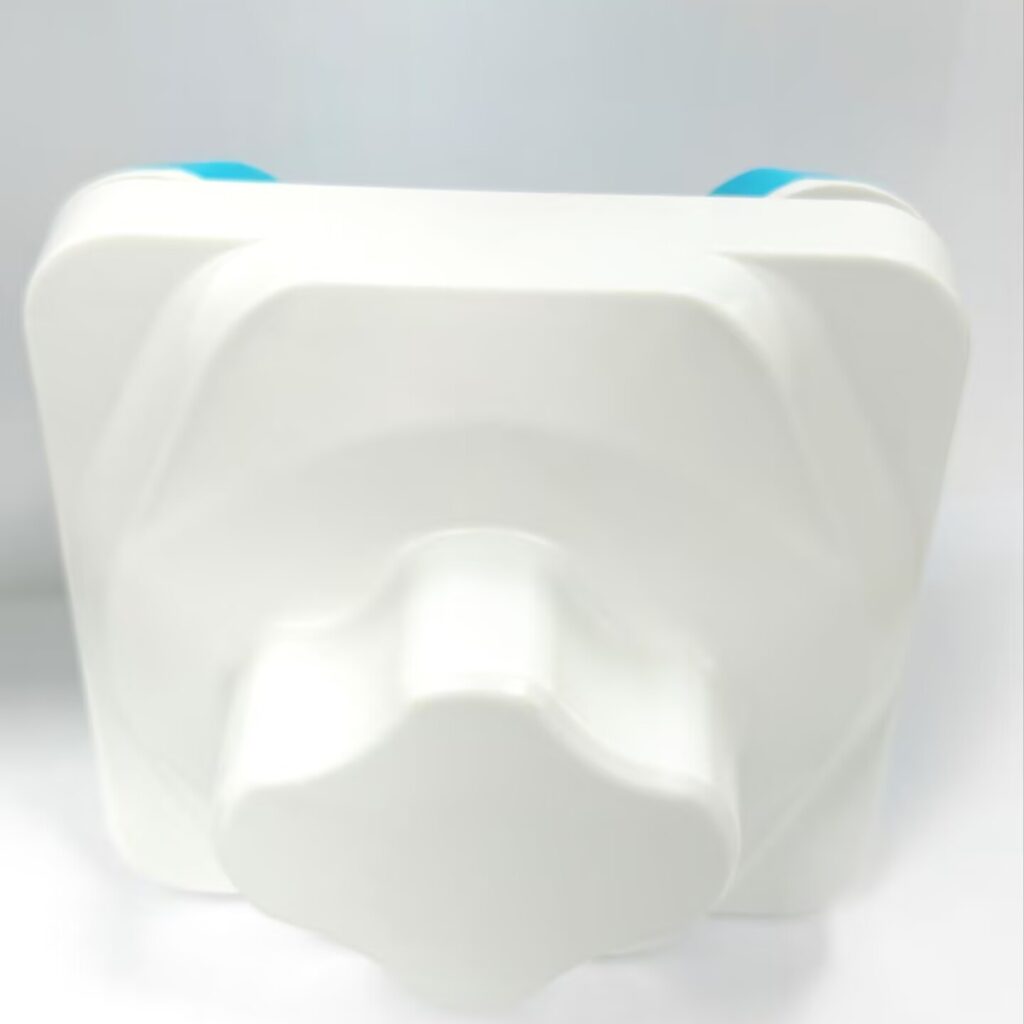
Featuring a groundbreaking dual-action cleaning system, Hioceans integrates a powerful, built-in motorized cleaning pad directly between the premium magnets. This means you get the absolute best of both worlds: intense magnetic stability paired with active, automated scrubbing power. It safely lifts stubborn coralline and green spot algae in half the time, delivering a flawless, scratch-free finish without pushing heavy pressure against your viewing panels. It’s not just a cleaner; it’s the ultimate hassle-free upgrade your display tank deserves.
Share this guide with fellow aquarists!