Which Aquarium Glass Cleaner Works Best?
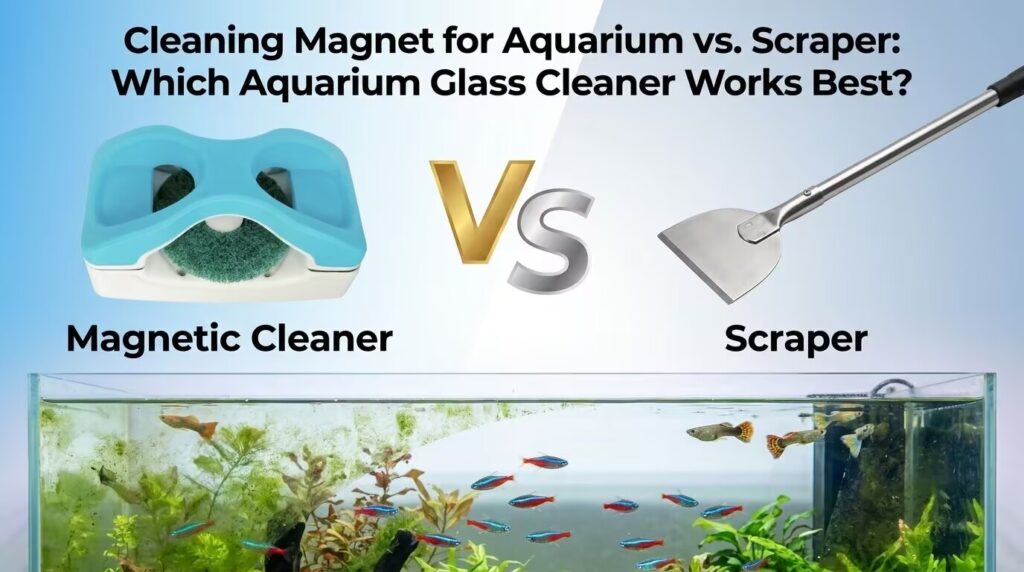
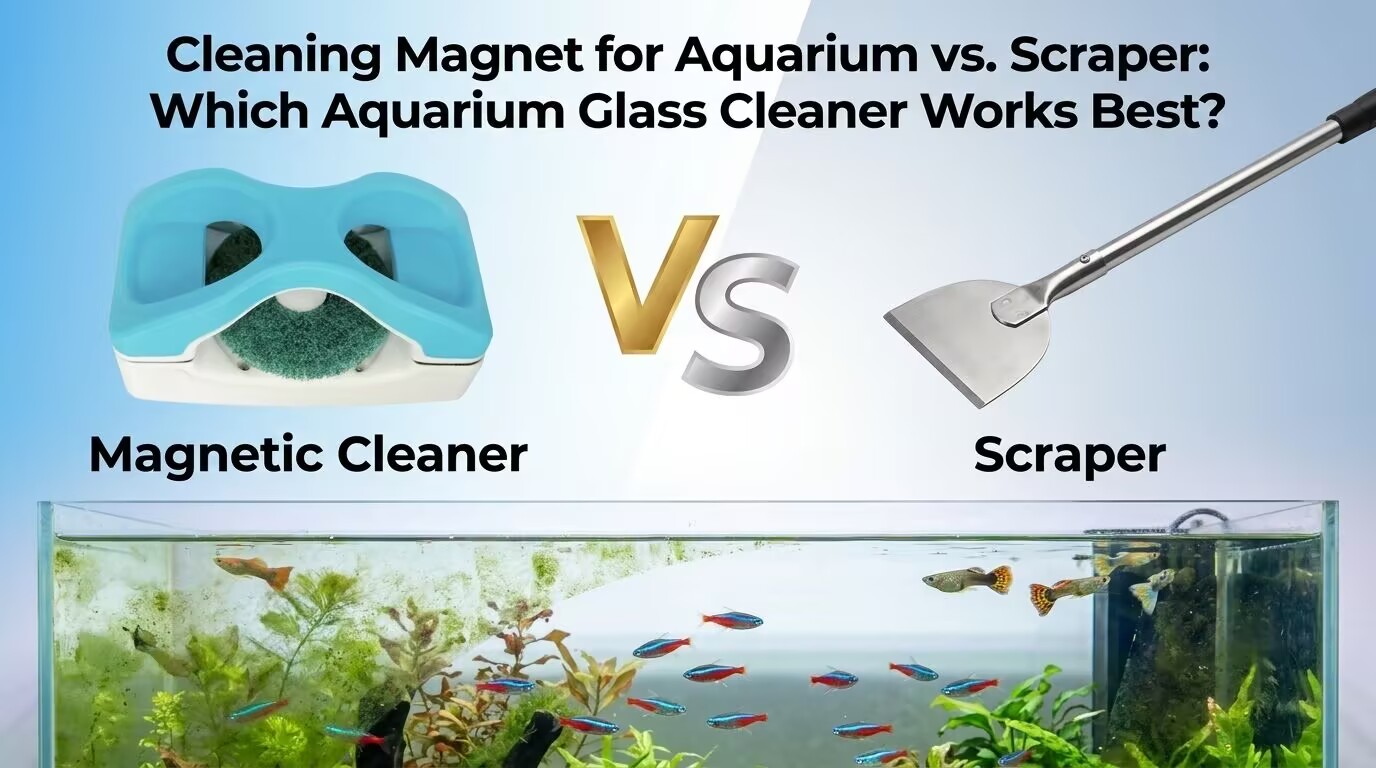
If you’ve ever struggled to remove algae from your aquarium, you’ve probably asked the same question:Should you clean aquarium glass with a magnetic cleaner or stick to a traditional algae scraper? Both tools are designed to keep aquarium glass clear, but they solve the problem in different ways. A magnetic cleaner makes routine maintenance quick and convenient, while a scraper is often better for stubborn algae that has built up over time.
Choosing the right aquarium glass cleaner isn’t just about cleaning performance. The size of your tank, the type of glass or acrylic, and even the kind of algae you’re dealing with can all affect which tool works best. Picking the wrong one may leave scratches, wasted time, or algae that keeps coming back.
In this guide, we’ll compare a cleaning magnet for aquarium with a magnetic algae scraper side by side, looking at cleaning power, ease of use, safety, and value. Whether you’re buying your first fish tank glass cleaner or looking for a better solution, you’ll learn which option fits your aquarium—and when using both might be the smartest choice.
Cleaning Magnet vs. Scraper:Quick Comparison
If you’re looking for the best aquarium glass cleaner, the answer depends on how you clean your tank. A cleaning magnet for aquarium is ideal for quick, routine maintenance, while a magnetic algae scraper or traditional algae scraper is better suited for removing thick, stubborn algae. The table below highlights the key differences to help you choose the right tool.
| Feature | Cleaning Magnet | Algae Scraper |
| Best For | Weekly maintenance | Heavy algae removal |
| Cleaning Speed | Fast | Moderate |
| Removes Tough Algae | Good | Excellent |
| Safe for Daily Use | ⭐⭐⭐⭐⭐ | ⭐⭐⭐ |
| Risk of Scratching* | Low | Medium |
| Works Without Wet Hands | ✔ Yes | ✘ No |
| Best Tank Type | Glass & acrylic (with the correct model) | Glass or acrylic (using the proper blade) |
| Learning Curve | Very easy | Moderate |
Tip: No cleaning tool is completely scratch-proof. Always remove trapped sand or gravel before cleaning, and choose a cleaner designed for your aquarium material.
Bottom line: If your goal is fast, hassle-free maintenance, a cleaning magnet for aquarium is the better everyday choice. If your tank has stubborn algae that hasn’t been cleaned for weeks, an algae scraper can remove buildup more effectively. Many experienced aquarium owners keep both tools on hand for different cleaning tasks.
What Is a Cleaning Magnet for Aquarium?
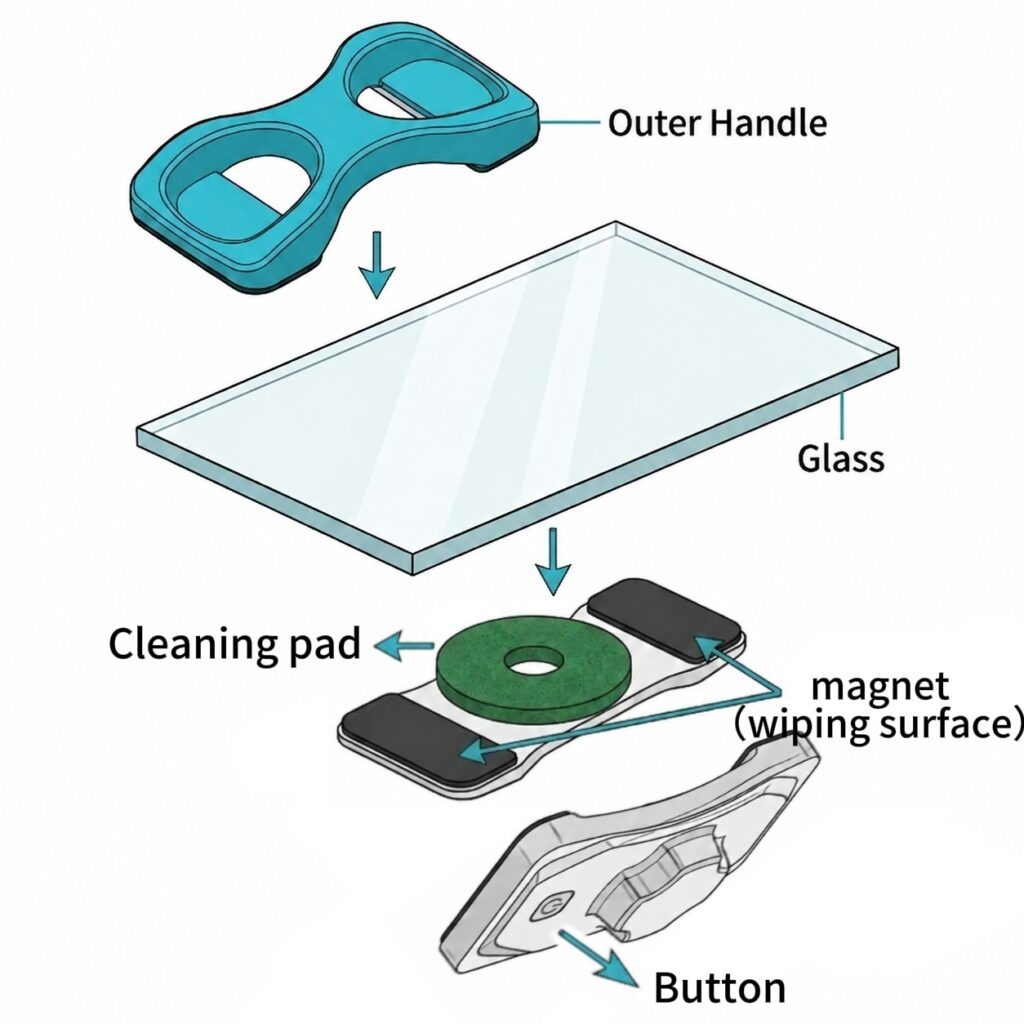
A cleaning magnet for aquarium is a simple tool that helps keep aquarium glass clean without putting your hands in the water. It uses two magnetic pieces—one inside the tank and one outside—to remove algae as you move the outer handle. Because it makes routine cleaning faster and more convenient, it’s one of the most popular aquarium cleaner tools for both beginners and experienced fish keepers.
Unlike traditional cleaning methods, a magnetic cleaner lets you maintain clear glass in just a few minutes, making regular aquarium maintenance much easier.
How It Works
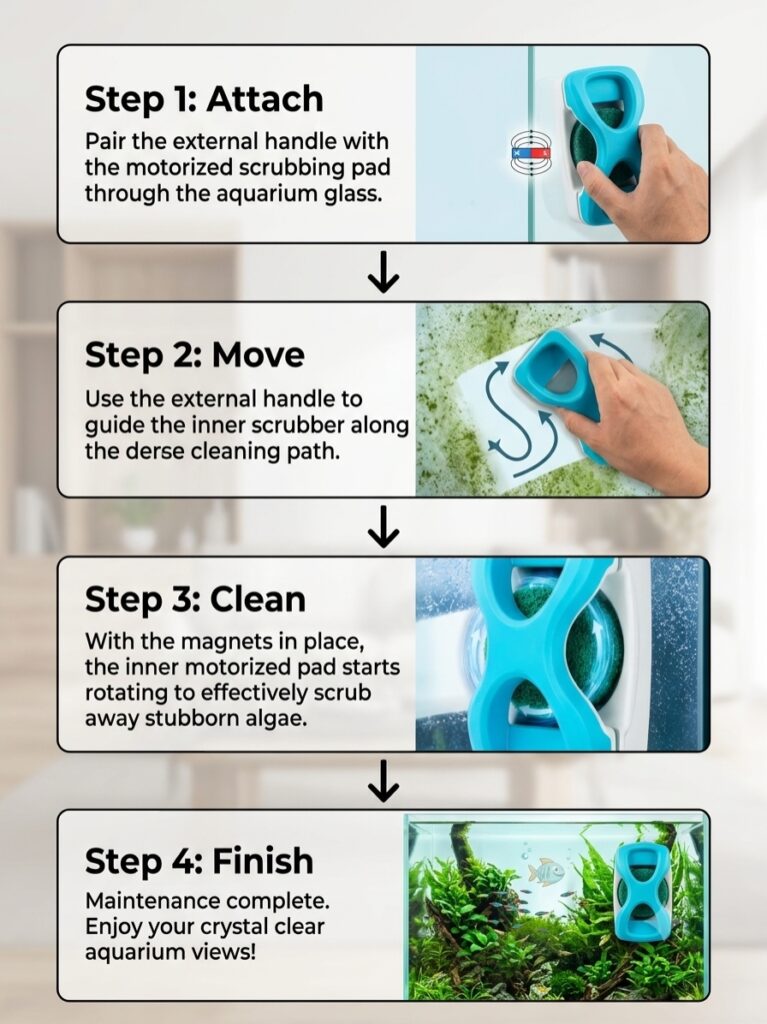
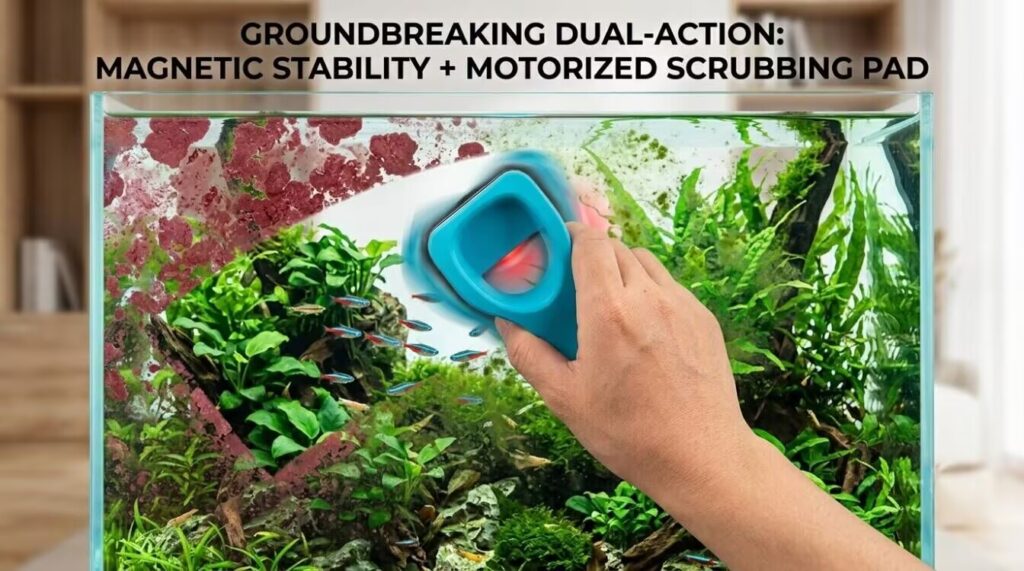
A cleaning magnet consists of two parts that stay connected through the aquarium glass using strong magnets.The magnetic brush has an electric cleaning pad in the middle that can rotate to wipe away algae, while the external handle guides the inner part of the brush to perform the cleaning work from the outside of the glass.
As you slide the outer magnet, the inner pad follows the same path, helping clean aquarium glass without reaching into the tank. Many models also float when separated, making them easier to retrieve if the magnets come apart during cleaning.
For the best results, choose a magnet designed for your tank’s glass thickness and always check that no sand or gravel is trapped between the cleaning pad and the glass.
Benefits
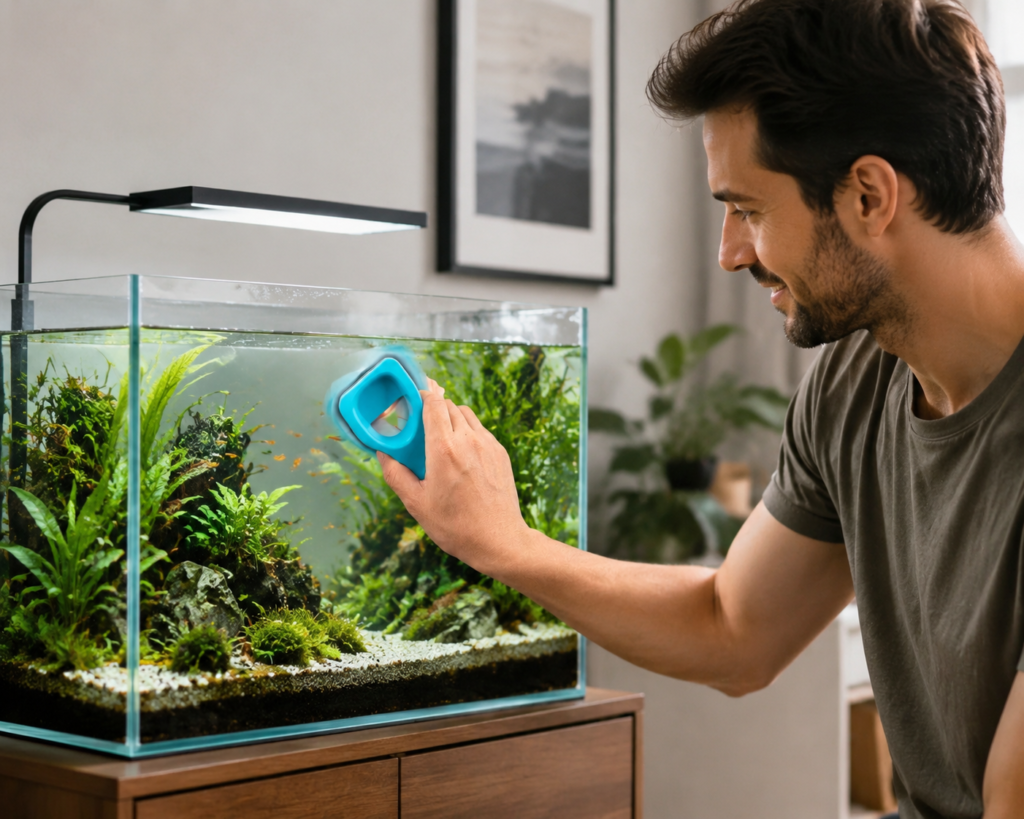
A quality cleaning magnet for aquarium offers several advantages over manual cleaning methods:
- Cleans aquarium glass quickly during regular maintenance
- Keeps your hands dry while cleaning
- Encourages more frequent algae removal
- Reduces cleaning time for medium and large tanks
- Available for both glass and acrylic aquariums when using the correct model
For most aquarium owners, it’s an easy way to keep the tank looking clean without turning maintenance into a time-consuming task.
Best Uses
A magnetic cleaner works best for light to moderate algae that builds up during normal tank maintenance. It’s especially useful for weekly cleaning before algae becomes difficult to remove.
If your aquarium has thick, hardened algae that has been left untreated for a long time, you may still need an algae scraper for deeper cleaning. Many experienced hobbyists use a cleaning magnet for everyday maintenance and switch to a scraper only when stubborn algae appears.
Choosing the right tool depends on your tank size, aquarium material, and how often you clean, but for routine care, a cleaning magnet for aquarium is one of the most practical solutions available.
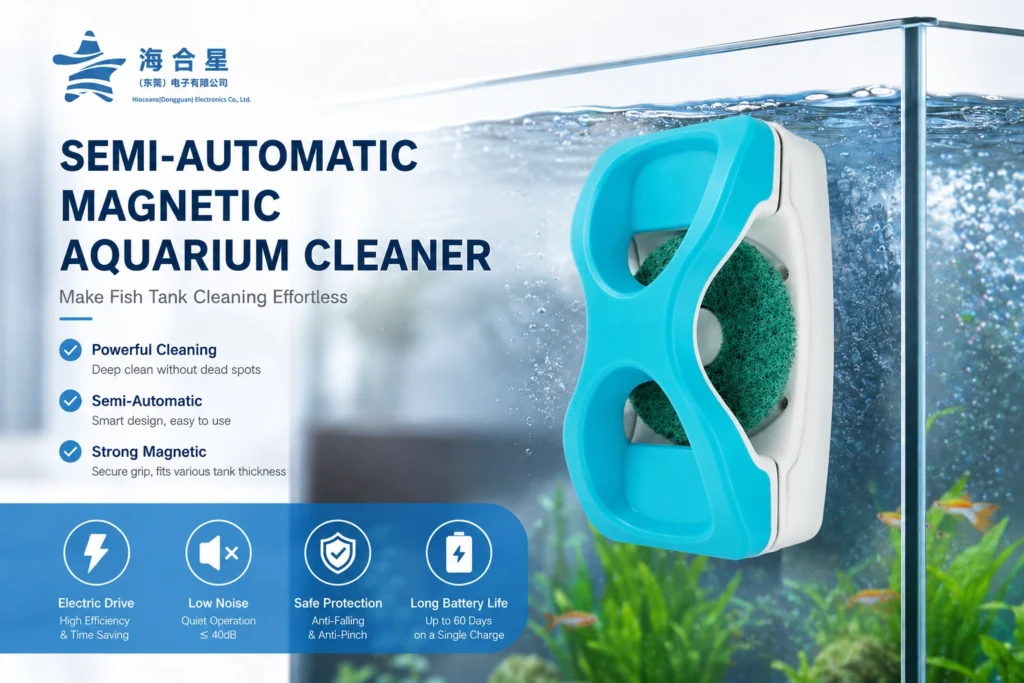
Today, some premium models go a step further. For example, the Hioceans Electric Magnetic Fish Tank Cleaner combines magnetic cleaning with an electric-assisted scrubbing system, making routine maintenance easier for medium and large aquariums.
What Is an Aquarium Algae Scraper?
An aquarium algae scraper is a hand-held tool designed to remove algae that sticks tightly to aquarium walls. Unlike a magnetic cleaner, it works through direct contact with the glass or acrylic surface, making it more effective for thick algae that regular cleaning can’t remove.
Most scrapers have a long handle with a replaceable blade or cleaning pad. Glass aquariums typically use stainless steel blades, while acrylic tanks require plastic blades to avoid scratching the surface. For tanks with heavy algae buildup, an algae scraper is often the fastest way to restore clear viewing panels.
How It Works
An algae scraper removes algae by applying direct pressure to the aquarium surface. Instead of relying on magnets, you guide the blade or scraper head over the glass to lift stubborn algae from the tank walls.
This method works especially well on algae that has hardened over time, such as green spot algae or mineral deposits that are difficult to remove with a magnetic cleaner. Because the blade stays in direct contact with the glass, it provides stronger cleaning power for problem areas.
To prevent scratches, always use the correct blade for your aquarium material and inspect the blade before each use to make sure it’s free of sand or debris.
Benefits
An algae scraper is a practical choice when routine cleaning isn’t enough. Its main advantages include:
- Removes thick and stubborn algae efficiently
- Reaches corners and edges with greater precision
- Ideal for deep cleaning sessions
- Replaceable blades help maintain cleaning performance
- Suitable for large aquariums with heavy algae buildup
For many aquarium owners, it’s an essential backup tool for occasional deep cleaning.That’s one reason many aquarium brands are beginning to add electric-assisted magnetic cleaners to their product lineup instead of offering only traditional manual models.
Limitations
Although an algae scraper offers strong cleaning performance, it isn’t always the most convenient option for everyday maintenance.
Using a scraper usually requires placing your hand or arm in the aquarium, and improper blade selection can scratch glass or acrylic surfaces. It also takes more time and effort than a magnetic cleaner when cleaning large viewing panels.
For this reason, many hobbyists use an algae scraper only when heavy algae appears, while relying on a magnetic cleaner for regular weekly maintenance. Combining both tools often provides the most efficient and practical cleaning routine.
Cleaning Magnet vs. Algae Scraper: Which Wins?
| Comparison | Cleaning Magnet for Aquarium | Algae Scraper | Winner |
| Routine Cleaning | ⭐⭐⭐⭐⭐ Fast and convenient for weekly maintenance | ⭐⭐⭐ Better for occasional use | 🏆 Cleaning Magnet |
| Heavy Algae Removal | ⭐⭐⭐ Removes light to moderate algae | ⭐⭐⭐⭐⭐ Easily removes stubborn algae and mineral deposits | 🏆 Algae Scraper |
| Ease of Use | ⭐⭐⭐⭐⭐ Hands stay dry and easy to operate | ⭐⭐⭐ Requires more effort and direct contact | 🏆 Cleaning Magnet |
| Glass Tanks | ✔ Safe when matched to the correct glass thickness | ✔ Excellent with a stainless steel blade | 🤝 Tie |
| Acrylic Tanks | ✔ Acrylic-safe models available | ✔ Plastic blade required | 🤝 Tie |
| Risk of Scratching | Low (if no sand is trapped) | Medium (depends on blade and technique) | 🏆 Cleaning Magnet |
| Large Aquariums | ⭐⭐⭐⭐⭐ Large models and electric-assisted versions save time | ⭐⭐⭐ Good for spot cleaning only | 🏆 Cleaning Magnet |
| Purchase Cost | Moderate investment with long-term convenience | Lower initial cost | 🏆 Algae Scraper |
| Long-Term Value | Excellent for frequent maintenance | Best as a secondary cleaning tool | 🏆 Cleaning Magnet |
| Best Overall Use | Regular maintenance and algae prevention | Deep cleaning and stubborn algae removal | ⭐ Best Together |
Why This Combination Works Best
For most aquarium owners, the choice isn’t cleaning magnet for aquarium or algae scraper—it’s knowing when to use each one. A magnetic cleaner keeps the glass clear with minimal effort, while an algae scraper handles the tough buildup that routine cleaning can’t remove. Using both tools together creates a simple, effective cleaning routine that keeps your aquarium looking its best year-round.
How to Choose the Best Aquarium Glass Cleaner
The best aquarium glass cleaner depends on your tank size, material, and how much algae you need to remove. Instead of looking for one tool that does everything, choose the cleaner that matches your aquarium and your cleaning routine.
| Small Tank | Large Tank |
| Best Choice: S size-Fish tank glass cleaner ✔ Compact and easy to control ✔ Quick weekly maintenance ✔ Keeps hands dry while cleaning | Best Choice: Large or Electric Magnetic Cleaner ✔ Covers more glass with each pass ✔ Reduces cleaning time ✔ Ideal for medium to large aquariums |
| Saltwater | Acrylic Tank |
| Best Choice: Electric Magnetic Cleaner + Algae Scraper ✔ Handles tough algae buildup ✔ Removes mineral deposits ✔ Great for regular maintenance | Best Choice: Acrylic-Safe Magnetic Cleaner ✔ Soft cleaning pads ✔ Plastic scraper only if needed ✔ Helps prevent scratches |
Heavy Algae
If your aquarium has thick algae covering the glass, start with an algae scraper to remove the stubborn buildup.
Once the tank is clean, switch to a cleaning magnet for aquarium for regular weekly maintenance. This combination helps prevent algae from returning quickly while reducing the need for frequent deep cleaning.
Quick Buying Tip
If you’re unsure which tool to buy, think about how often you clean rather than how dirty your tank is today. A magnetic cleaner is the better choice for routine maintenance, while an algae scraper is best for occasional deep cleaning. For many aquarium owners, using both provides the most practical and cost-effective cleaning routine.
Common Mistakes When Cleaning Aquarium Glass
Even the best aquarium glass cleaner can leave scratches or poor results if it’s used incorrectly. Avoid these common mistakes to keep your aquarium clean and protect the glass or acrylic surface.
Using the Wrong Cleaner for Your Tank
Not every cleaner is suitable for every aquarium. Glass tanks and acrylic tanks require different cleaning pads or blades. Choosing an aquarium safe cleaner that’s designed for your tank material is the first step to preventing damage.
Cleaning Over Sand or Gravel
One of the most common causes of scratches isn’t the cleaner—it’s the sand or gravel trapped between the cleaning surface and the glass.
Before using a magnetic cleaner or an algae scraper, check both the cleaning pad and the aquarium wall for debris. Removing a few grains of sand can prevent permanent scratches.
Waiting Too Long to Remove Algae
Many aquarium owners wait until algae becomes thick before cleaning. By then, it often takes more effort and stronger tools to remove it.
Regular maintenance with a cleaning magnet for aquarium helps keep algae under control and reduces the need for aggressive scraping later.
Using Too Much Pressure
Pressing harder doesn’t always clean better. Excessive force can wear out cleaning pads, damage scraper blades, or increase the risk of scratching the tank.
Let the tool do the work, and use slow, overlapping strokes for better results.
Ignoring Tool Maintenance
A dirty cleaning pad or a worn scraper blade won’t perform as well as a clean one.
Rinse your cleaning tools after each use, replace worn parts when needed, and store them in a clean, dry place. Proper maintenance not only improves cleaning performance but also helps extend the life of your aquarium cleaning equipment.
Quick Tip: The safest way to keep aquarium glass clear is to clean it regularly instead of waiting for heavy algae buildup. A few minutes of routine maintenance can save much more time later.Choosing a high-quality cleaner with a stable magnetic connection also helps reduce accidental slips during cleaning.
Can One Tool Do Both Jobs?
A magnetic cleaner and an algae scraper each have their strengths. One makes routine maintenance fast and convenient, while the other is better at removing stubborn algae. For many aquarium owners, switching between two tools is simply part of regular tank care.
But what if one cleaner could handle everyday maintenance while offering extra cleaning power when needed?
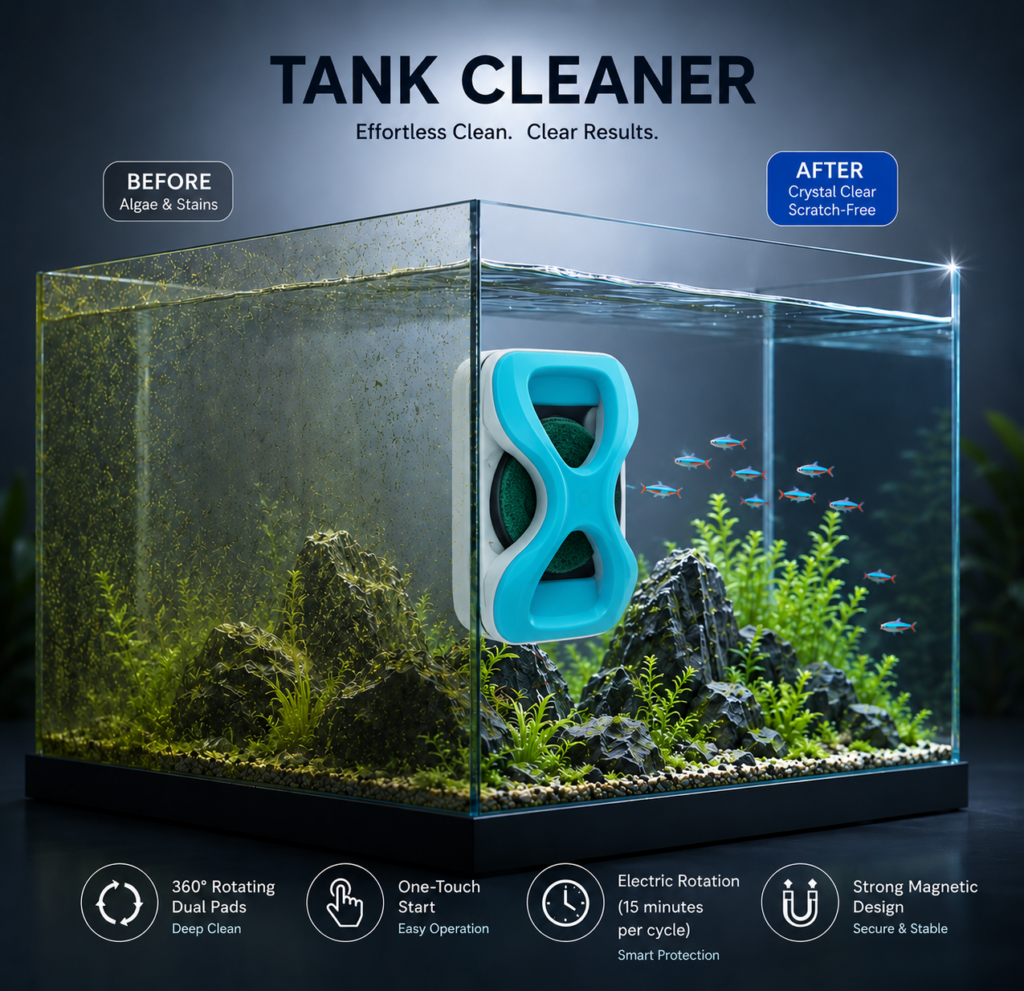
That’s the idea behind the Hioceans Electric Magnetic Fish Tank Cleaner. Instead of relying only on manual movement, it combines a powerful magnetic cleaning system with an electric-assisted scrubbing mechanism. The built-in gearbox helps the cleaning pad rotate more efficiently, making it easier to remove algae while reducing the effort required for larger aquariums.
Unlike a standard cleaning magnet for aquarium, it offers two cleaning modes, allowing users to choose the right level of cleaning based on the condition of the glass. For routine maintenance, it glides smoothly across the tank. When algae becomes more noticeable, the powered scrubbing action provides additional cleaning performance without the need to switch to another tool.
Other practical features include:
- Electric-assisted cleaning for less hand fatigue
- Strong magnetic connection for smooth control
- Dual cleaning modes for different cleaning tasks
- Floating inner cleaner for easy retrieval
- Safe for glass aquariums when used correctly
While an algae scraper is still useful for extremely hard algae or mineral deposits, many aquarium owners find that an upgraded magnetic cleaner can handle most day-to-day cleaning. If you’re looking for a more efficient aquarium cleaner that reduces maintenance time without sacrificing cleaning performance, an electric magnetic cleaner offers a practical all-in-one solution.
OEM & ODM Aquarium Cleaning Solutions for Aquarium Brands



| Why Partner with Hioceans? | Why Aquarium Brands Choose Hioceans? |
| 🏭 Factory Direct Manufacturing ⚙ Precision Injection Molding 🔧 In-house Mold Development 📦 OEM & ODM ✅ Strict Quality Control 🌍 Global Export Experience 「read more」 | ✔ Precision Mold Development ✔ Bulk Injection Machines ✔ Automated Assembly ✔ 100% Quality Inspection ✔ Custom Packaging ✔ Low MOQ ✔ Fast Prototype ✔ Stable Production |
At Hioceans, we don’t just manufacture aquarium cleaning products—we help brands develop them. From mold design and precision injection molding to final assembly and quality inspection, our team works with OEM and ODM customers worldwide to create reliable aquarium cleaning solutions.
Frequently Asked Questions
Yes, a quality cleaning magnet for aquarium is generally safe for glass tanks when used correctly. However, scratches usually happen when sand, gravel, or other debris gets trapped between the cleaning pad and the glass.
Always check the cleaner surface before use and choose a model that matches your aquarium thickness.
Acrylic tanks require more care because the surface is softer than glass. When choosing a fish tank glass cleaner, make sure it is specifically designed for acrylic aquariums.
Avoid metal blades and always remove any debris before cleaning. Using the right tool and proper technique helps protect the tank surface.
A magnetic algae scraper can remove light to moderate algae effectively, especially during regular maintenance. However, very hard algae, such as old green spot algae, may require additional help from a manual scraper.
For many aquarium owners, combining a magnetic cleaner for daily care with a scraper for stubborn areas provides the best results.
The cleaning frequency depends on your tank conditions, lighting, and algae growth. Most aquariums benefit from a quick cleaning once or twice a week.
Regular maintenance is usually easier than waiting until algae becomes difficult to remove. A convenient aquarium cleaner can help make this routine faster and easier.
For beginners, a magnetic cleaner is often the easiest option because it is simple to use and does not require putting your hands into the tank.
It works well for routine maintenance and helps beginners keep their aquarium clear without complicated cleaning steps.
It depends on your cleaning needs.
A magnetic cleaner is better for regular maintenance, while an algae scraper is better for heavy buildup. If you want a complete cleaning solution, using both tools allows you to handle everyday algae and occasional deep cleaning.
A safe aquarium cleaner should match your tank material, have a suitable cleaning surface, and be designed to avoid unnecessary damage.
Look for features such as aquarium-safe materials, smooth cleaning pads, and designs that reduce the chance of scratching. Proper use is just as important as choosing the right product.
Many aquarium cleaners can be used for both freshwater and saltwater tanks, but always check the product specifications first.
Saltwater aquariums may develop different types of algae and mineral buildup, so choosing the right cleaning tool can improve results and make maintenance easier.
Choosing the Right Aquarium Glass Cleaner for Your Tank
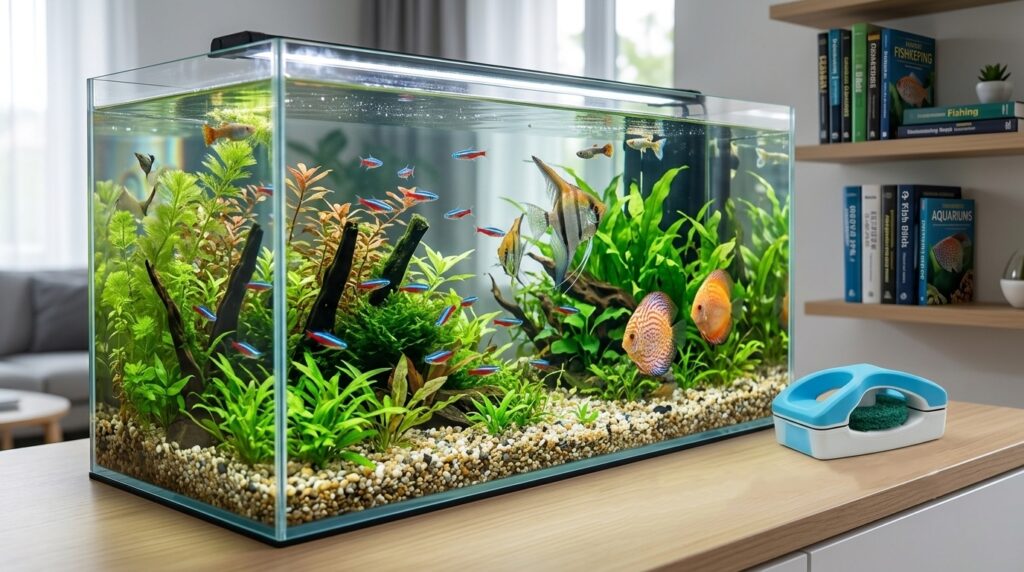
Choosing between a cleaning magnet for aquarium and an algae scraper depends on how you maintain your tank and what type of algae you need to remove.
For most aquarium owners, a magnetic cleaner is the better choice for regular maintenance because it makes it easier to keep glass clear with less effort. It is convenient for weekly cleaning and helps prevent algae from becoming a bigger problem. On the other hand, an algae scraper is still valuable when dealing with stubborn buildup that requires stronger cleaning power.
The best solution is not always choosing one tool over the other. A combination of reliable aquarium cleaning tools can help you handle both everyday maintenance and deeper cleaning tasks more efficiently.
Whether you are looking for a simple fish tank glass cleaner for home use or exploring advanced cleaning solutions for your aquarium brand, choosing a tool that matches your tank material, cleaning habits, and maintenance needs will always deliver better results.
With the right cleaner and regular care, keeping your aquarium glass clear becomes easier, faster, and more enjoyable.
Read more
Share this guide with fellow aquarists!