Scrubbing stubborn green algae off your aquarium glass shouldn’t mean soaked sleeves or wet hands. Yet, that’s exactly what many aquarium owners deal with every single week. If you’re searching for What is a Magnetic Fish Tank Cleaner and How Does It Work?, you want a faster, cleaner way to keep your tank crystal clear.
A magnetic fish tank cleaner solves this exact problem. By using two powerful magnetic pieces—one inside the aquarium and one outside—you can remove algae from the glass simply by moving the external handle. The internal cleaning pad follows your movements perfectly. Therefore, routine maintenance becomes quicker, more convenient, and far less disruptive to your aquatic life.
In this guide, you will learn how this magnetic mechanism works. We will also walk through how to use it safely, choose the right model, and avoid common mistakes like scratching your glass.
What Is a Magnetic Fish Tank Cleaner?
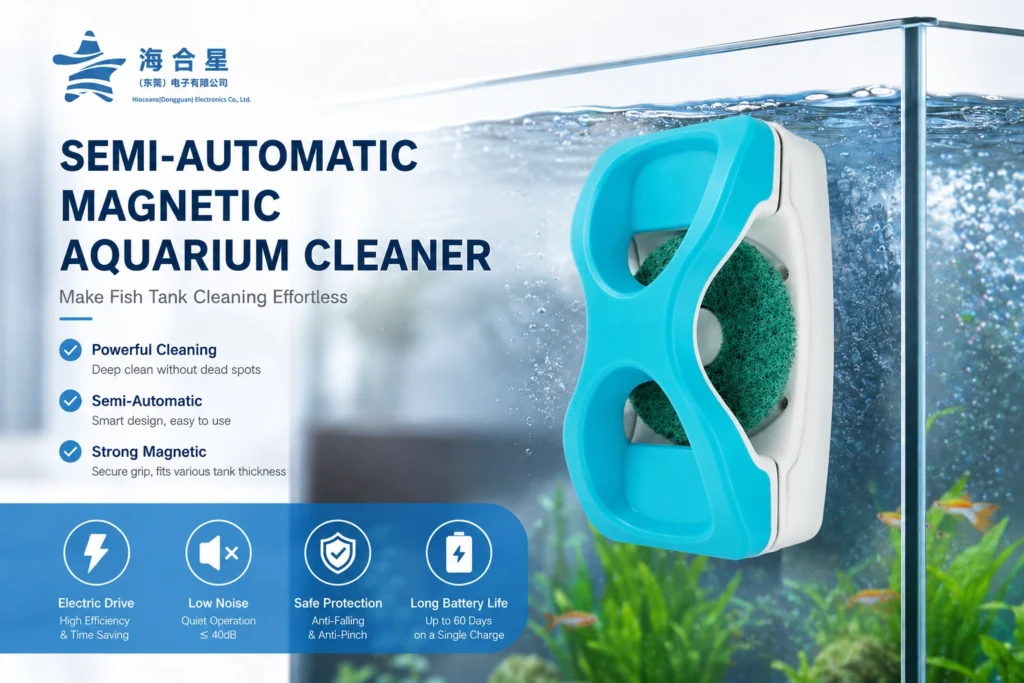
A magnetic fish tank cleaner is a specialized tool that removes algae from the inside of your aquarium while you control it from the outside. Instead of reaching into the tank with a standard sponge, you use magnetic force to connect two parts through the aquarium glass. As you move the outer handle, the inner cleaning pad follows precisely.
This simple design keeps your hands and sleeves completely dry. Furthermore, it reduces stress for your fish. Whether you maintain a small freshwater tank or a massive saltwater display, choosing the right aquarium glass cleaner helps protect your viewing panels while saving you time.
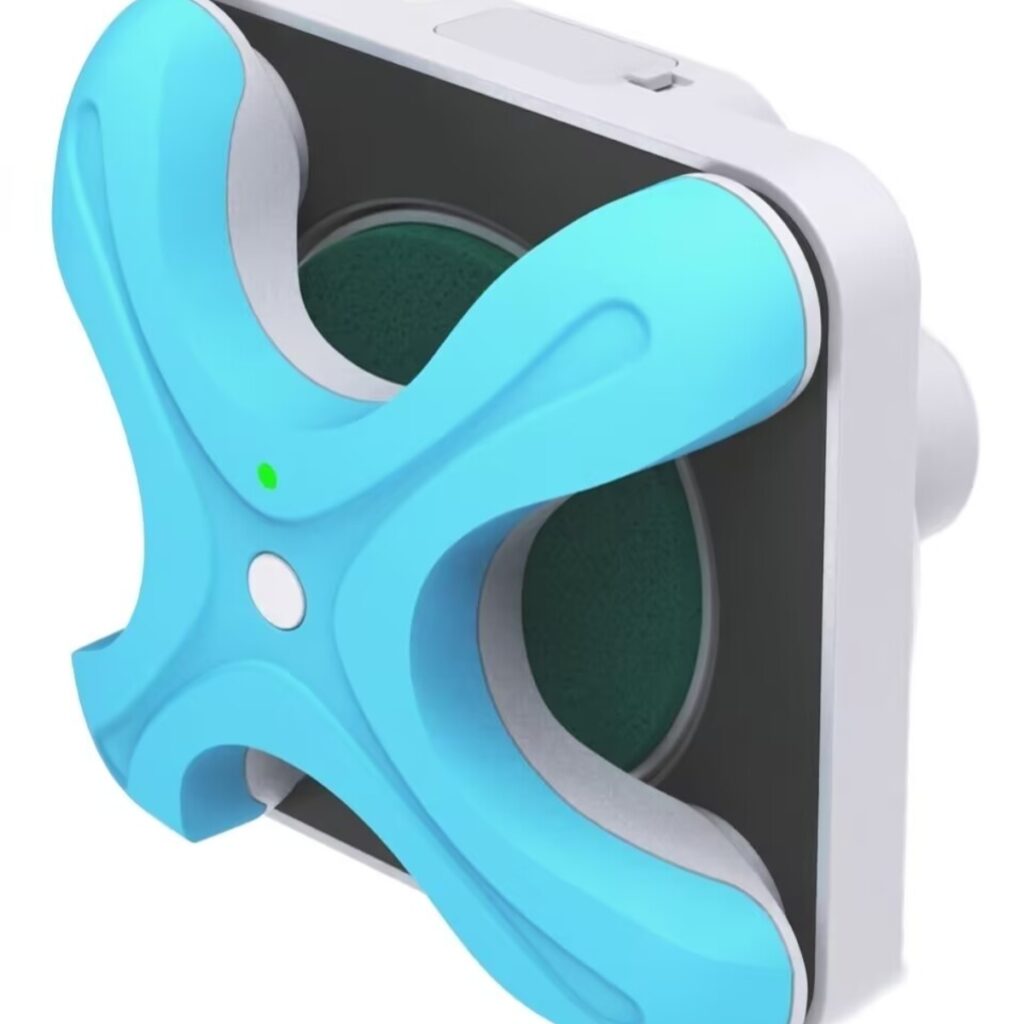
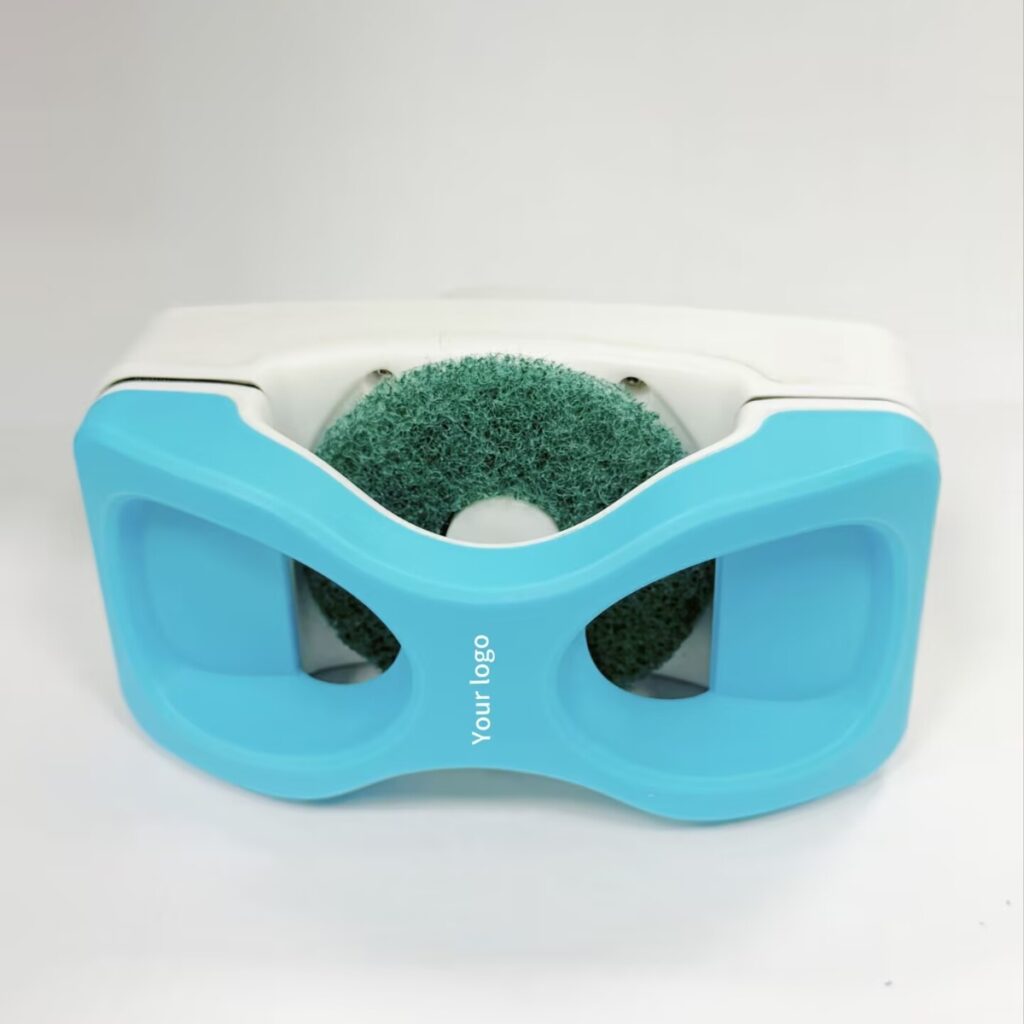
For example, modern innovations like the Hioceans model combine ergonomic design with electric-assisted technology. The outer handle fits comfortably in your palm to prevent hand fatigue. Additionally, the internal unit floats. This means if the magnetic connection breaks, the inner piece floats straight to the top instead of sinking into the gravel.
The Two Main Parts of a Magnetic Cleaner
Every magnetic fish tank cleaner consists of two coordinated components that work together:
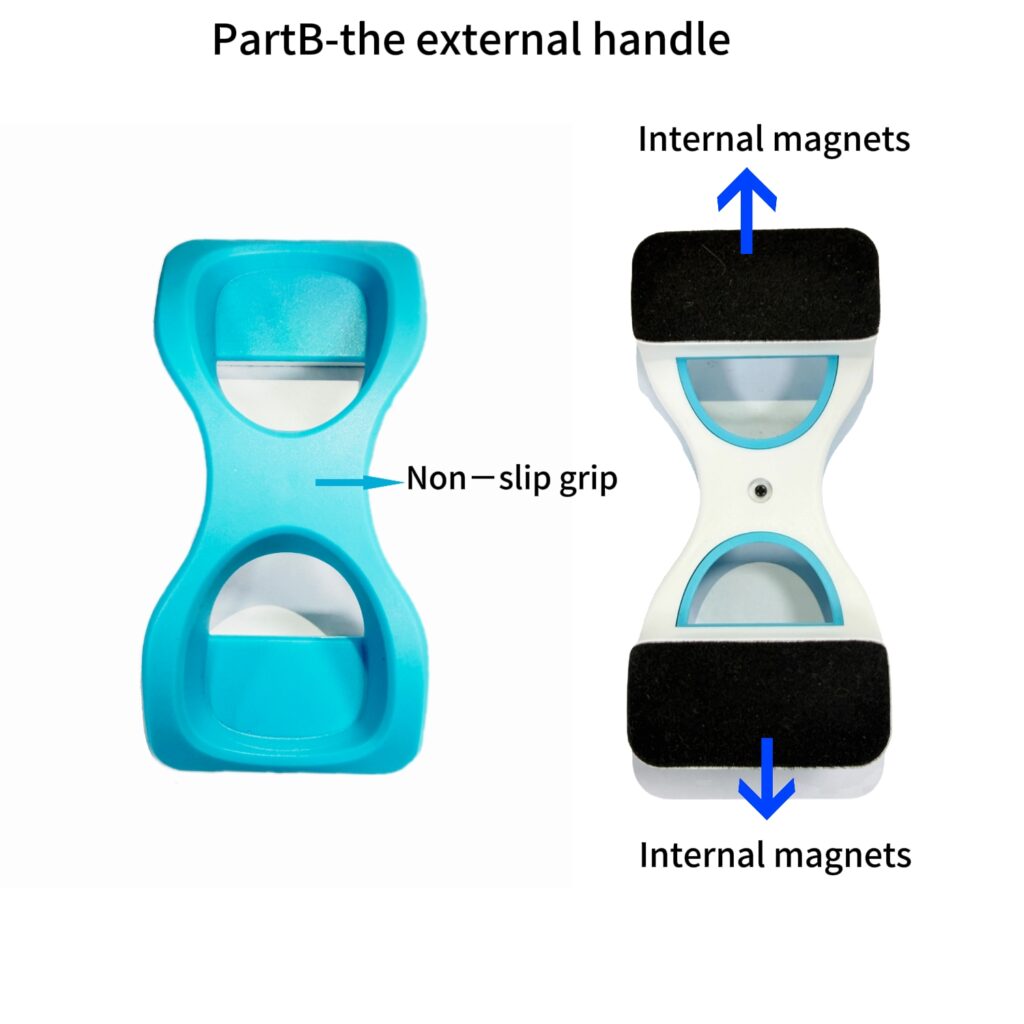
External Handle
- Remains outside the aquarium for comfortable operation.
- Features a soft protective felt layer that glides smoothly over the glass without scratching the exterior surface.
- Ergonomic grip provides better control and reduces hand fatigue during longer cleaning sessions
Internal Scrubber
- Attaches to the inside of the aquarium glass through magnetic attraction.
- Equipped with a durable scrubbing pad.
- It is highly effective against early-stage Green Dust Algae (GDA) and brown diatoms.
- The latest Hioceans Magnetic Fish Tank Cleaner introduces an innovative electric-assisted cleaning system. The built-in gearbox turns the center scrubbing pad automatically. This provides active scrubbing.
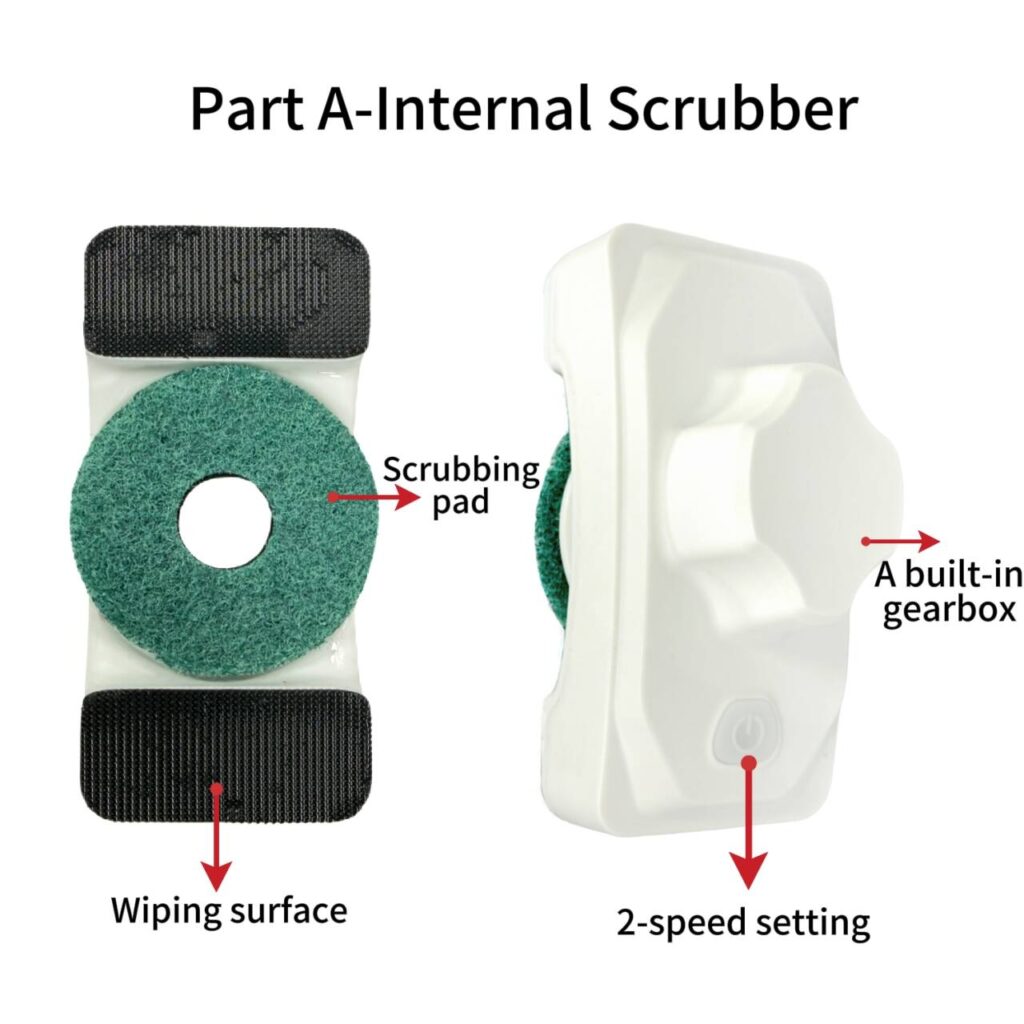
Strong magnets keep the pad in steady contact with the glass. This two-step cleaning method combines rotating scrubbing with magnet-guided movement. It removes algae faster with less manual effort. Engineers carefully designed the cleaning materials to clean effectively without scratching the aquarium glass when you use them correctly.
How to Use a Magnetic Fish Tank Cleaner Step by Step
Step 1 — Inspect the Aquarium Glass and Check Your Device
Before you attach any part of your magnetic cleaner to the aquarium, take a moment to inspect the glass and tool. This simple habit is a key aquarium maintenance tip. It can prevent costly damage to your tank.
First, carefully examine the aquarium glass for sand, gravel, substrate particles, or other hard debris. Pay special attention to the lower portion of the tank where substrate often accumulates. If you’re learning how to clean fish tank glass safely, remember that trapped sand is the leading cause of scratches—not the cleaner itself.
⚠️ Critical Warning: Hioceans Magnetic Fish Tank Cleaner uses powerful magnets to maintain strong contact with the glass. If a grain of sand becomes trapped between the glass and the cleaning surfaces, it can be dragged across the panel and create permanent scratches.
The Science Behind the Scratches: This happens because of a conflict in material hardness. While standard aquarium soda-lime glass has a Mohs hardness rating of 5.5 to 6, natural substrate sand often contains quartz, which sits at a Mohs hardness of 7. Because quartz is harder than glass, any trapped grain will act like a glass cutter, creating permanent scratches when dragged across the panel.
Next, inspect the cleaner itself:
- Ensure the external handle’s protective felt surface is clean and free of debris.
- Check that the internal scrubbing unit is free from trapped substrate.
Verify that the rotating scrubbing pad seats properly and shows no damage.
- Confirm the built-in gearbox rotates smoothly without obstruction.
- Make sure the setting button is switched OFF before joining the two magnetic halves. (It is on the back panel of the outer unit).
⚠️ Important: Never activate the electric-assisted cleaning function before the magnets are properly aligned. This helps prevent sudden attachment shocks and ensures safe operation of the rotating scrubber.
Step 2 — Attach Both Magnetic Halves
Once you confirm the aquarium glass and cleaning surfaces are free of sand and debris, connect the two magnetic halves. Proper attachment ensures smooth operation and helps prevent accidental damage to your aquarium.
Start by placing the internal scrubber of the Hioceans Magnetic Fish Tank Cleaner inside the aquarium. Place it near the water surface. Holding it close to the glass makes it easier to control and reduces the chance of it dropping onto decorations or the substrate.
Next, position the external handle directly opposite the internal unit on the outside the glass. As the magnets begin to attract, allow them to connect slowly and evenly rather than letting them snap together.
⚠️ Safety Warning: Never allow the magnetic halves to slam together with force. High-strength magnets can pinch fingers, chip aquarium glass edges, or damage the cleaner if they collide unexpectedly.
After you align the magnets, gently move the external handle a few centimeters in different directions. Confirm that the internal scrubber follows smoothly. If the movement feels uneven or the magnets lose contact, stop immediately and check that the cleaner is compatible with your aquarium’s glass thickness. A cleaner that is too weak may separate during use, while one that is too strong can make maneuvering unnecessarily difficult.
Refer to the table below to verify your tank’s requirements:
| Aquarium Wall Material | Recommended Thickness Range | Recommended Cleaning Speed Mode |
| Standard Soda-Lime Glass | 4 mm – 10 mm | Low Speed (Routine Film/Diatoms) |
| Thick / Heavy Display Glass | 10 mm – 15 mm | High Speed (Stubborn Spot Algae) |
| Acrylic Panels | Use dedicated soft pads only | Low Speed (To monitor friction) |
Once both halves move smoothly, you are ready to begin removing algae.
Step 3 — Turn On the Switch Button and Clean Using Slow Overlapping Motions
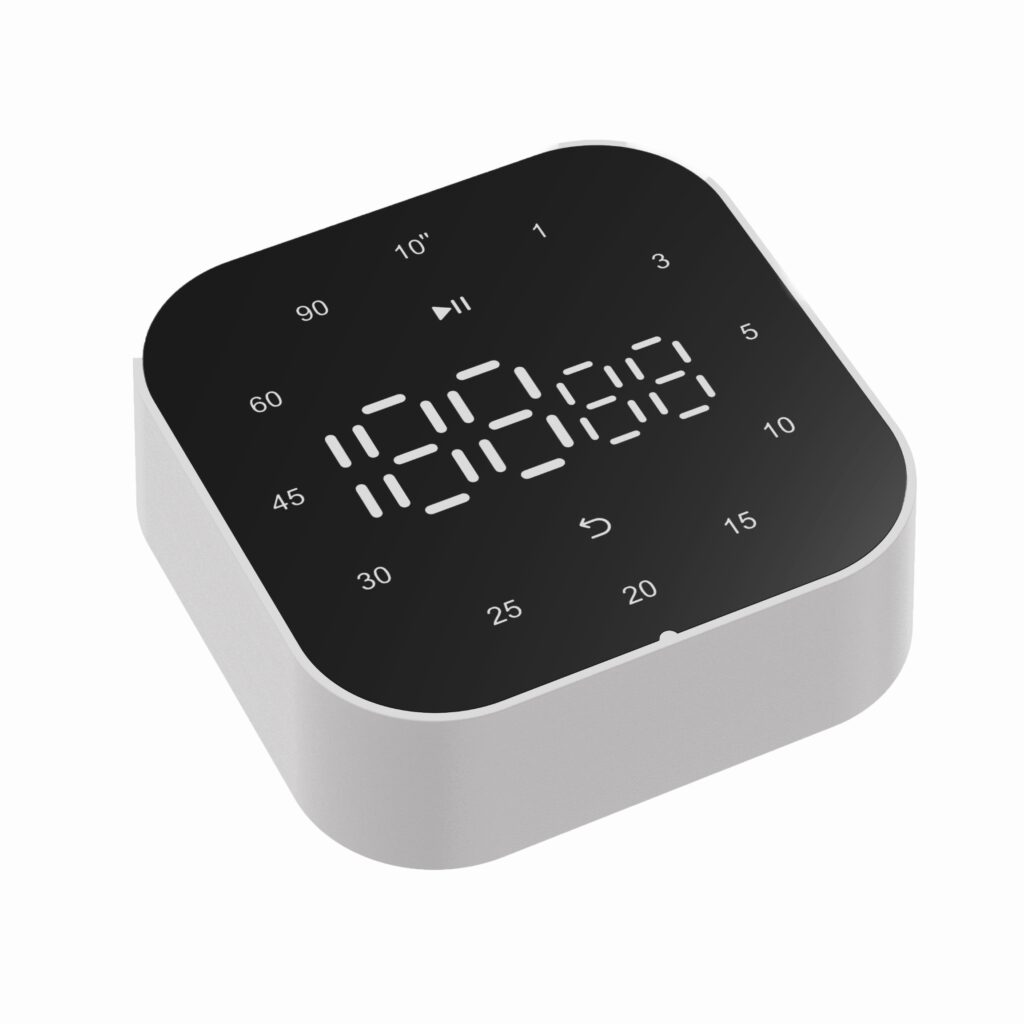
With both magnetic halves securely attached, you can now begin cleaning. Press the power button on the Hioceans Magnetic Fish Tank Cleaner and select the appropriate speed setting. For light algae or routine maintenance, start with the lower speed. If you’re dealing with thicker green or brown algae, switch to the higher speed for increased cleaning power.
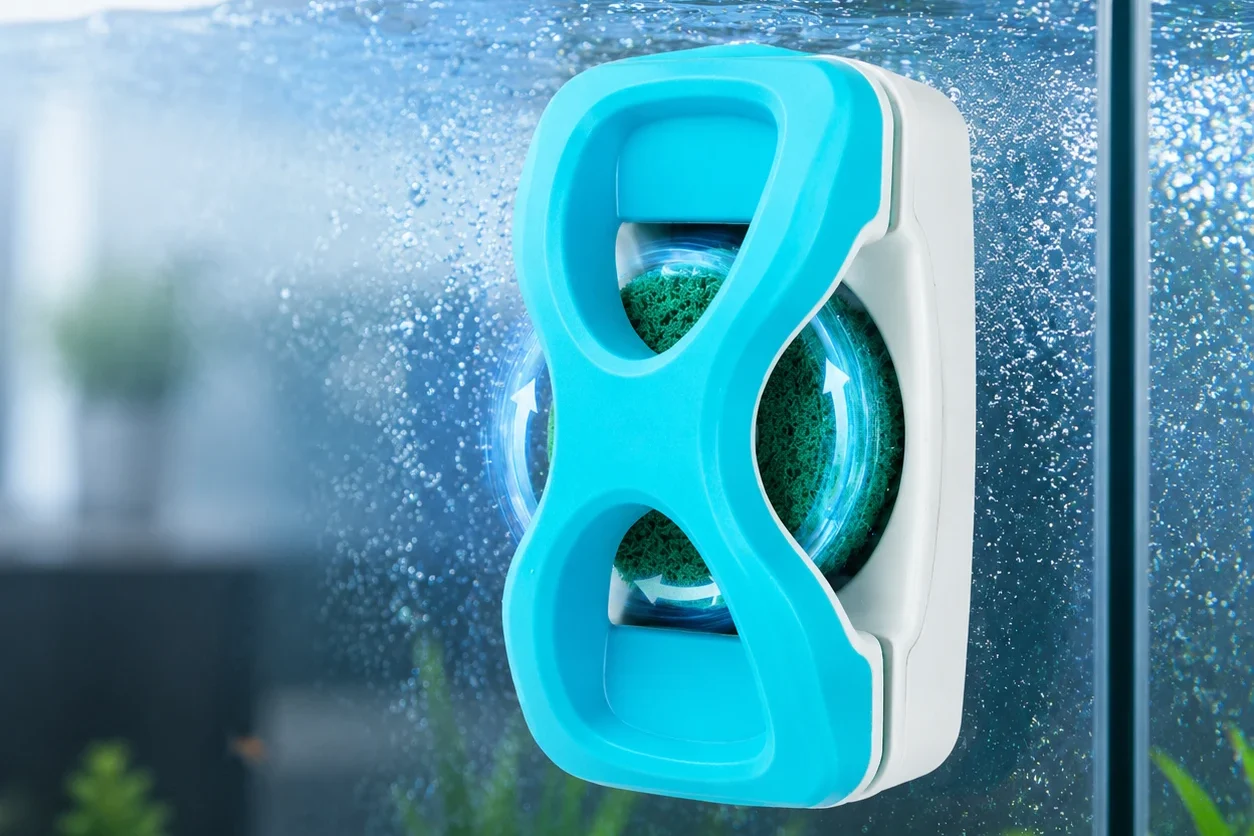
The Right Cleaning Technique
Move the external handle using slow, overlapping strokes, just like mowing a lawn. This technique ensures you clean every inch of the glass without leaving any streaks or missed spots.
As you guide the handle, the internal rotating pad continuously loosens the algae. The strong magnetic bond keeps the cleaner stable against the glass, so you do not need to press hard.
💡 Pro Tip for Stubborn Algae: If you hit a tough patch of algae, do not force or push the cleaner. Simply pause over the spot for a few seconds. Let the rotating scrubbing pad do the work for you. You can also make a few short back-and-forth passes to clear the area.
Safety Warnings
- Avoid Sudden Movements: Do not jerk or slide the cleaner too fast. Rapid motion can break the magnetic connection, especially when you navigate around curved corners or tank edges.
- Stay Away from the Substrate: Stop cleaning just above the sand or gravel line. Never let the internal pad touch the bottom substrate.
🔴 Emergency Stop: If the scrubbing pad accidentally picks up any sand or gravel, turn off the cleaner immediately. Separate the magnetic halves and rinse away the trapped particles. A single trapped grain of sand will act like a blade and scratch your glass permanently.
If you’d like to learn more about how to use the magnetic aquarium brush, you can check out our user guide on YouTube.
No, the cleaner itself will not scratch your glass. Scratches only happen when hard particles—like sand or gravel—get trapped between the cleaning pad and the glass.
To prevent this, follow these simple safety steps:
Inspect the tool: Always check both the aquarium glass and the cleaning surfaces before you start.
Remove debris: If you see any sand or tiny stones on the pad, rinse them off immediately.
Keep your distance: Clean the upper and middle sections first. When you reach the bottom, stop just above the gravel line.
The Hioceans Magnetic Fish Tank Cleaner features a soft protective felt layer on the outside and a rotating pad on the inside. Because the electric-assisted system does the heavy scrubbing for you, you do not need to apply hard hand pressure. This drastically reduces the risk of trapping sand.
For most home tanks, using your magnetic cleaner once or twice per week is ideal.
Regular light cleaning is much better than waiting for thick algae to cover the glass. A quick weekly pass with the Hioceans cleaner removes early-stage biofilm and green film before they become difficult to clear.
If your tank has strong lighting or a large fish population, algae will grow faster. In these cases, you may need to clean it more often. However, if the glass looks crystal clear, avoid unnecessary scrubbing to protect your tank’s natural balance.
Yes, but tough algae requires a slower approach. While magnetic cleaners easily wipe away soft green film and brown diatoms, stubborn varieties like Green Spot Algae (GSA) are much harder to remove.
The Hioceans model handles tough spots better than traditional scrapers. Its built-in gearbox and rotating pad provide active mechanical scrubbing.